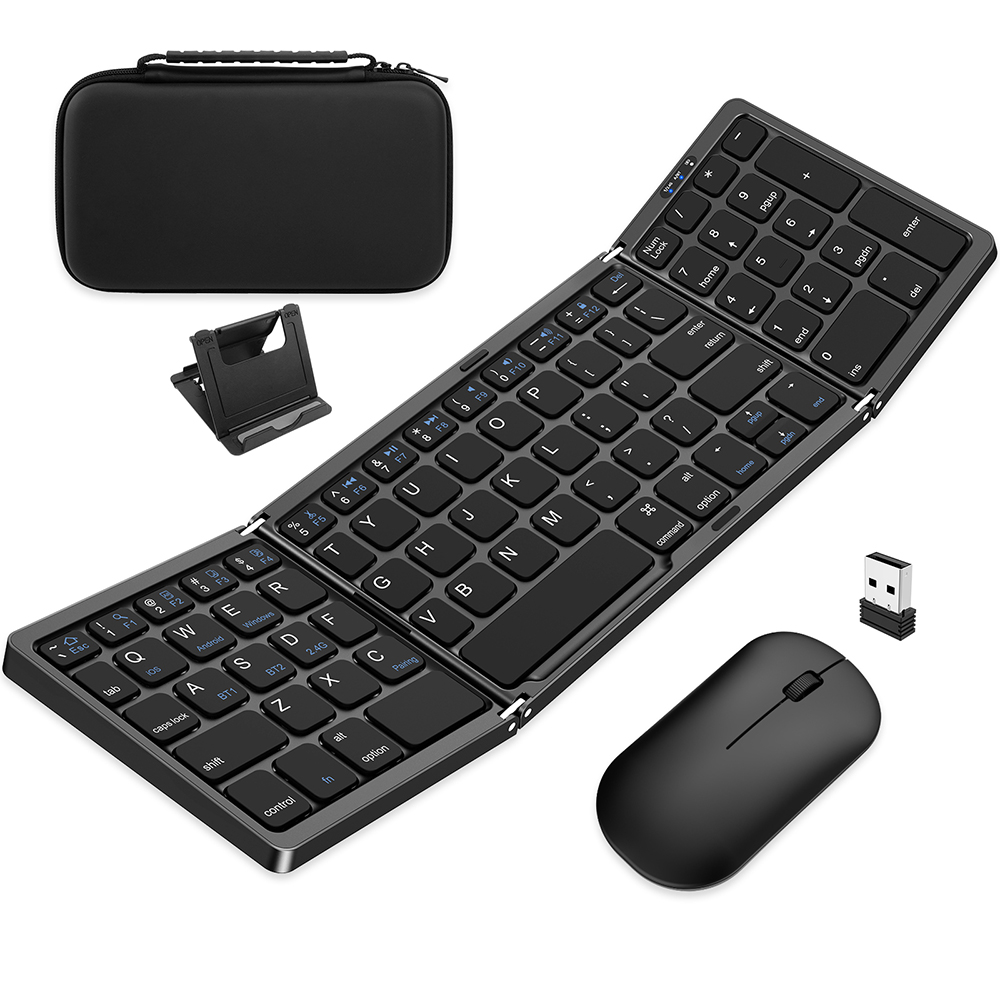
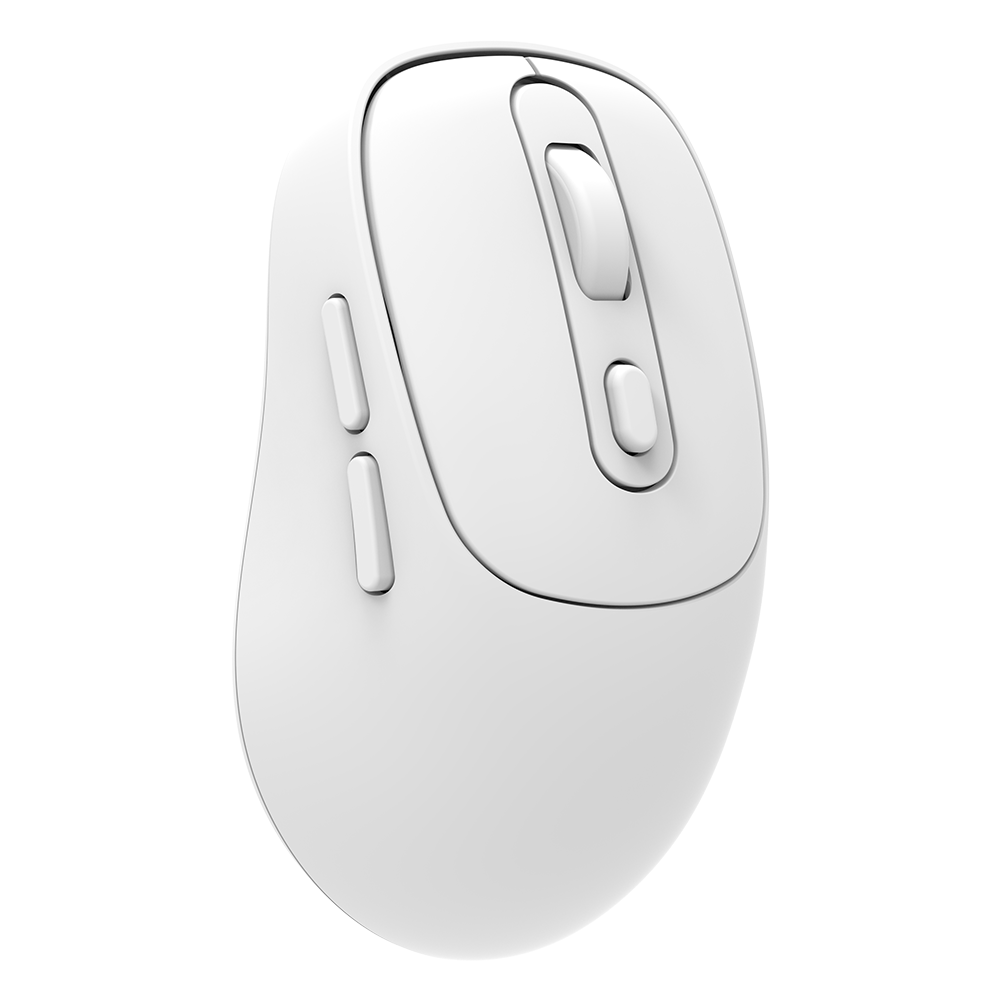
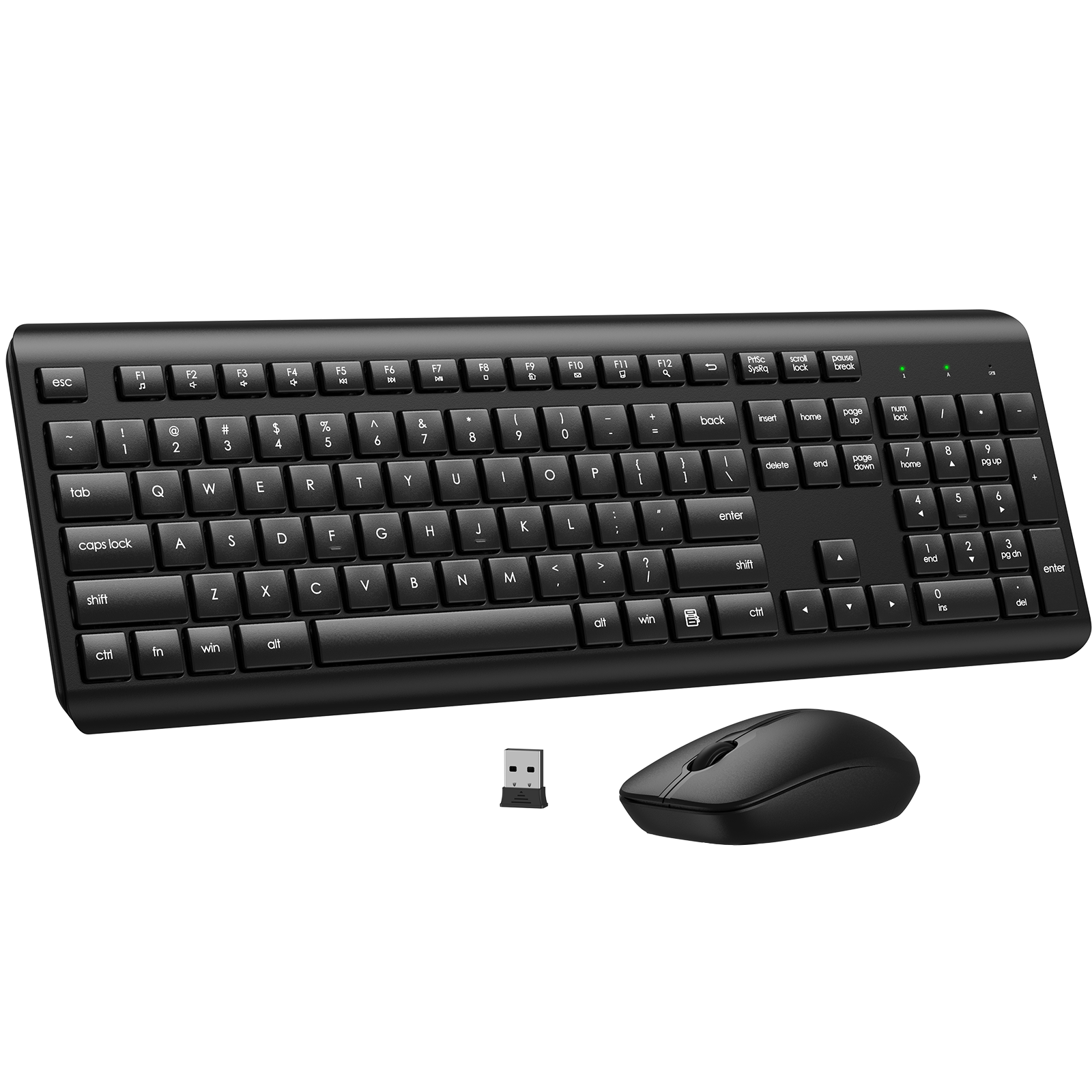
Picking out the best optical Mouse supplier from China isn’t just about comparing prices, you know? Especially if you're buying in bulk, you really want a partner who’s reliable—someone who offers stable performance, communicates clearly, and consistently delivers quality products. A seller with a super-low quote might hide issues like sensors that don’t behave, weak buttons, or unpredictable shipping schedules, so don’t be fooled by just the price.
Most experienced buyers start by ordering samples first. They test how accurately the cursor moves on different surfaces like glass, wood, or your average office desk. They also check how flexible the cable is, how quickly the scroll wheel responds, how loud the clicks are, and whether the surface feels comfortable to use. It’s these small details that make a big difference.
Not every quote you get will tell the full truth, so be cautious.
A trustworthy supplier should be open about their production process, inspection standards, packaging options, and after-sales support. Before placing any big orders, ask for detailed product specs, sample reports, and realistic lead times. Depending on where you’re selling, certifications might matter too. And don’t underestimate the importance of good communication—clear English documentation can save you from mistakes with logos, colors, USB connectors, or carton markings.
Of course, no supplier is perfect. Sometimes a shiny, polished sample doesn’t quite match what you get in mass production. That’s why it’s a good idea to consider pre-shipment inspections or have a mutual agreement on a quality checklist. Also, pay attention to how they handle defective units, returns, or delays—these things matter a lot.
This article aims to walk you through practical tips for choosing a reliable manufacturer based in China. We focus on experience, consistency, customization abilities, and transparency—stuff that really matters. It’s not about finding the cheapest option; it’s about partnering with someone who can reliably deliver thousands of office mice without surprises. Taking the time to do this right now can save you from costly headaches down the road.
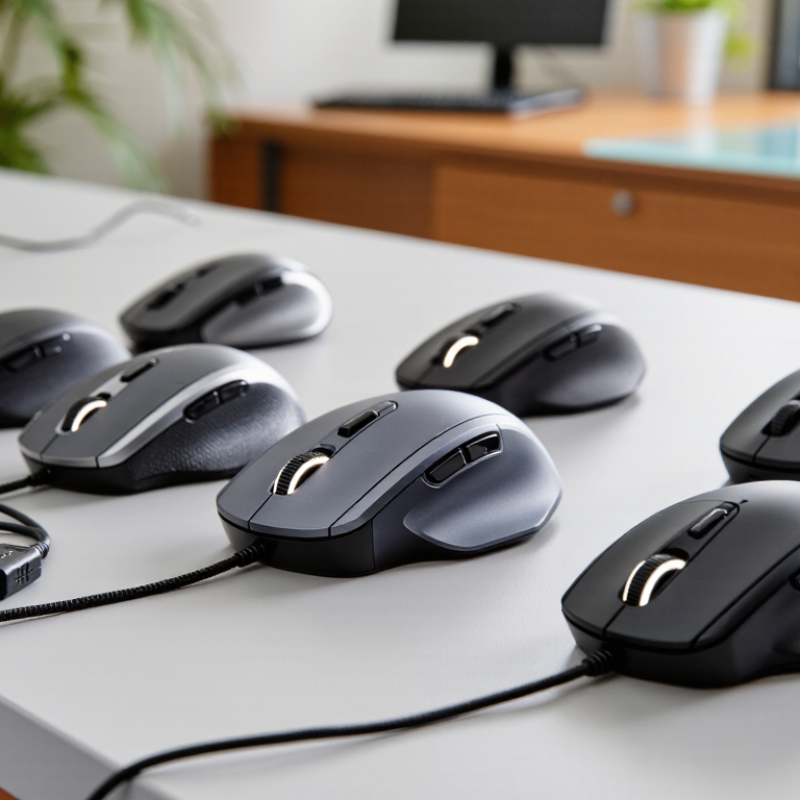
A reliable Optical Mouse Office supplier in China must prove consistency, not just offer a low quotation. Request sensor specifications, DPI accuracy, button lifespan, cable performance, and surface compatibility. Sample testing should include eight-hour office use, repeated clicks, and dusty desk conditions. ISO 9001 production controls, batch traceability, and documented final inspections also matter. According to IDC’s 2024 Worldwide Quarterly Personal Computing Device Tracker, global PC shipments exceeded 260 million units. That volume reflects sustained demand for dependable office peripherals.
Supplier communication reveals practical experience. A capable team explains firmware limits, USB compatibility, ergonomic measurements, and packaging protection without hiding weaknesses. It should provide pre-shipment inspection records, failure-rate data, and corrective-action reports. An Optical Gaming Mouse may use higher polling rates, but office buyers often value quiet clicks and stable trackingmore. Grand View Research identifies continued growth in the global Computer Mouse market, supported by workplace and home-computing demand. Still, market growth does not guarantee every factory’s quality.
Tips: Ask for three production samples from separate batches. Compare weight, scroll resistance, sensor movement, and cable flexibility. Verify carton dimensions before approving freight. Do not trust attractive samples alone; some suppliers improve prototypes but reduce materials later. I have seen specifications look complete while warranty terms remain vague. That gap deserves direct questions, written evidence, and a small trial order.
China offers practical advantages for bulk optical mouse procurement, especially when buyers need stable pricing and flexible specifications. Experienced sourcing teams can compare factory capacity, sensor performance, shell materials, and packaging within one manufacturing region. This can shorten communication cycles and simplify sample revisions.
A reliable supplier should provide clear test records, not vague promises. Ask for click-life data, tracking performance on common surfaces, cable or wireless checks, and inspection photos before shipment. For a 5,000-unit order, a buyer might request 20 samples first. Test them on glass desks, fabric pads, and dusty office surfaces. Small details matter, including wheel resistance and USB connector fit.
China’s manufacturing network supports custom colors, logo-free packaging, and staged production. Bulk buyers may also negotiate carton protection and spare-unit ratios. However, the lowest quote can hide weaker switches or inconsistent assembly. Procurement plans sometimes focus too heavily on unit price and overlook after-sales handling. A written quality standard, pre-shipment inspection, and traceable batch records reduce that risk. Some suppliers need closer supervision during peak seasons, so delivery promises deserve practical review rather than blind confidence.
Business buyers need office mice that remain predictable across long shifts and shared desks.
Optical tracking should work on laminate, paper, and ordinary mouse pads without visible skipping. Test it. A 1000–1600 DPI range usually supports spreadsheets, browser work, and precise document selection. Higher DPI is not automatically better. Consistent buttons matter more than flashy specifications.
For bulk purchasing, ergonomic shape and moderate weight deserve close inspection. A palm-sized shell can reduce wrist tension, while textured sides help prevent slipping. Quiet clicks are valuable in open offices and shared training rooms. A braided or well-flexed cable can survive daily movement, although wireless models reduce desk clutter. Battery life and receiver storage need clear, verified measurements. Vague claims create problems.
An Office Keyboard And Mouse Combo can simplify purchasing, but the keyboard should receive equal testing. Check key stability, layout consistency, and compatibility with existing operating systems. When comparing China-based suppliers, request samples from the same production batch before approving hundreds of units. Inspect scroll-wheel resistance, USB connection fit, and surface finish under normal lighting. Small defects often appear after repeated use, not during a quick demonstration. One weakness remains easy to miss: some comfortable mice feel too small after several hours. That detail deserves honest review.
Choosing China’s best optical mouse office supplier requires more than comparing unit prices. Ask for a complete specification sheet, including sensor type, tracking resolution, click lifespan, battery capacity, and wireless range. A reliable sample should track smoothly on paper, wood, and a common office mat. Test the scroll wheel for uneven resistance. Small defects become expensive when multiplied across a bulk order.
For a Wireless Office Keyboard And Mouse package, inspect connection stability in a busy workspace. Test at least 20 units from different cartons, not only one attractive sample. Request production records, inspection procedures, and corrective-action reports. ISO 9001 can indicate controlled processes, but it does not guarantee perfect products. Check whether CE, FCC, RoHS, or other marks apply to your target market, and verify the supporting declarations and test reports.
Supplier evaluation should include factory capacity, component traceability, packaging protection, and response speed. Ask how they handle dead batteries, missing receivers, and inconsistent buttons. A clear replacement policy matters. During one sample review, the mouse worked well, but its receiver compartment was too tight for frequent use. That detail was easy to miss. I would repeat the test after transport simulation, because vibration can loosen internal parts. A video call is useful, but an independent pre-shipment inspection offers stronger evidence. Insist on measurable acceptance criteria before payment. Δ
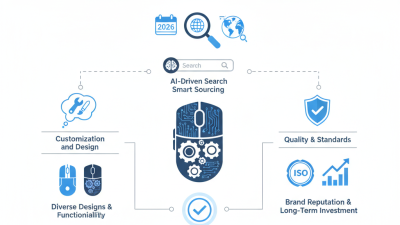
This illustrative procurement model prioritizes quality consistency, compliance documentation, optical performance, reliability testing, logistics capability, and commercial terms. Buyers should verify test reports, production samples, audit records, certifications, MOQ, lead time, and warranty conditions before placing a bulk order. Certification requirements vary by destination market; commonly reviewed requirements include CE, FCC, RoHS, REACH, UKCA, and WEEE obligations.
Bulk buying an Office Mouse requires more than a low factory quotation. According to Grand View Research, the global computer mouse market is projected to grow steadily through 2030, supported by office digitization and hybrid work. This demand makes consistent supply important.
A capable supplier should offer optical sensors, adjustable DPI, silent clicks, ergonomic shells, and wired or wireless configurations. Request production samples before approving a large order. The first sample is rarely perfect. That is normal.
Customization can include logo printing, shell colors, button layouts, cable length, receiver storage, and firmware settings. For office programs, a 1000–1600 DPI range usually supports practical daily work. IDC reported that worldwide PC shipments exceeded 250 million units in 2023, showing the continuing scale of workplace peripheral demand. However, mouse forecasts do not always separate office and gaming products. Buyers should read the methodology carefully.
Packaging needs equal attention. A supplier may provide individual cartons, molded pulp trays, barcode labels, multilingual inserts, or master cartons with defined stacking limits. Ask for carton dimensions, gross weight, drop-test records, and packing photos.
For bulk ordering, confirm MOQ, sample fees, inspection points, production lead time, and replacement terms in writing. Small packaging changes can affect container efficiency.
I once underestimated inner-box spacing; the final shipment used more cartons than planned. A second packaging review would have prevented that waste.
China Best Optical Mouse Office Supplier for Bulk Buyers?
For bulk buyers, optical mouse pricing depends on the sensor, shell material, buttons, cable, packaging, and order volume. A basic office model may cost less, but a quieter design or custom housing increases the unit price. Request quotes for 1,000, 5,000, and 10,000 units. This reveals the real volume discount. Ask whether tooling, samples, printing, and export cartons are included. Some quotations look attractive until these costs appear.
Lead times usually include sampling, production, inspection, and packing. A standard order may take 15 to 30 days after sample approval. Custom tooling can add another 20 to 35 days. Confirm the production start date in writing. It should begin after payment and final artwork approval. Factory experience matters here. During holiday periods or component shortages, estimates can change. My own planning mistake was allowing no buffer for packaging revisions.
Shipping requires more than comparing freight rates. Check carton size, gross weight, loading quantity, and destination charges. Sea freight suits large orders, while air freight helps urgent replenishment. Ask for FOB, CIF, or door-to-door pricing separately. Confirm insurance, customs documents, tracking, and inspection responsibilities. A pre-shipment inspection can catch loose scroll wheels, uneven buttons, or damaged cartons before dispatch. Leave at least seven extra days for unexpected delays. That buffer is rarely wasted.
| Product Category | Typical Specification | Indicative FOB China Price per Unit (USD) | Typical MOQ | Sample Lead Time | Mass Production Lead Time | Common Connection Options | Best Fit for Bulk Buyers |
|---|---|---|---|---|---|---|---|
| Basic Wired Office Mouse | Optical sensor, 800–1,200 DPI, 3 buttons, USB-A cable, ABS housing | $1.10–$2.20 | 500–1,000 units | 5–10 business days | 20–30 business days | USB-A wired connection | Cost-focused office deployments, schools, call centers, and promotional programs |
| Ergonomic Wired Office Mouse | Optical sensor, 1,000–1,600 DPI, contoured body, 3–5 buttons, 1.5–1.8 m cable | $1.80–$3.50 | 500–1,000 units | 7–12 business days | 25–35 business days | USB-A wired connection | Long-duration desktop use where hand comfort is a purchasing priority |
| Wireless 2.4 GHz Office Mouse | Optical sensor, 1,000–1,600 DPI, USB receiver, 2–3 buttons, battery compartment | $2.40–$4.80 | 1,000–2,000 units | 7–15 business days | 30–40 business days | 2.4 GHz wireless with USB receiver | Clean workstations, shared desks, and office equipment bundles |
| Bluetooth Office Mouse | Optical sensor, 1,000–1,600 DPI, Bluetooth connectivity, low-power design | $3.80–$7.50 | 1,000–2,000 units | 10–18 business days | 35–50 business days | Bluetooth, with or without USB receiver | Laptops, tablets, mobile workstations, and device fleets without spare USB ports |
| Silent-Click Office Mouse | Optical sensor, 1,000–1,600 DPI, reduced-click-noise switches, 3–5 buttons | $3.20–$6.50 | 1,000–2,000 units | 10–18 business days | 35–50 business days | USB wired, 2.4 GHz wireless, or Bluetooth | Libraries, healthcare offices, open-plan workplaces, and quiet rooms |
| Rechargeable Wireless Mouse | Optical sensor, 1,000–1,600 DPI, built-in lithium battery, charging cable | $4.50–$8.50 | 1,000–3,000 units | 12–20 business days | 40–55 business days | 2.4 GHz wireless, Bluetooth, or dual-mode | Premium office kits and buyers seeking lower disposable-battery usage |
| Custom-Color or Private-Label Mouse | Existing mouse platform with custom color, logo, packaging, or printed artwork | Base model price + $0.15–$1.20 customization cost | Usually 1,000–3,000 units | 10–20 business days | 35–60 business days | Depends on selected base model | Corporate gifts, distributor programs, employee onboarding, and retail packs |
| Shipping Method | Typical Transit Time from China | Relative Cost | Best Use Case | Important Considerations |
|---|---|---|---|---|
| Express Courier | 3–7 business days | Highest | Samples, urgent replenishment, and small cartons | Door-to-door service is convenient, but dimensional weight can significantly increase the final freight charge |
| Air Freight | 5–12 business days | Medium to high | Time-sensitive commercial orders | Confirm battery handling rules for wireless or rechargeable models and allow time for customs clearance |
| Rail Freight | 18–35 days on applicable routes | Medium | Medium-sized shipments requiring a balance between cost and speed | Transit time depends on route, border procedures, consolidation, and final-mile delivery |
| Ocean Freight | 25–45 days port-to-port | Lowest for larger volumes | Full cartons, pallets, and regular replenishment programs | Include origin charges, destination fees, customs duties, inland transport, and port congestion in the landed-cost calculation |
| Sea or Air Consolidation | 15–35 days, depending on service | Medium | Orders too large for courier but too small for a dedicated container | Check consolidation cut-off dates, cargo insurance, carton labeling, and whether delivery is port-to-door or door-to-door |
| Cost or Risk Checkpoint | What Bulk Buyers Should Confirm | Why It Matters |
|---|---|---|
| Quotation Basis | Whether the quote is EXW, FOB, CIF, DDP, or another Incoterm | Different Incoterms allocate freight, insurance, customs clearance, duties, and delivery responsibilities differently |
| Product Testing | Tracking performance, button life, scroll-wheel function, cable durability, wireless range, and sleep-mode behavior | Pre-shipment testing helps reduce returns and inconsistent performance across large batches |
| Compliance Documents | Applicable market documents such as EMC, radio, chemical, packaging, and battery-related test reports | Requirements vary by destination and product configuration, especially for wireless and rechargeable models |
| Packaging | Individual box size, carton quantity, gross weight, drop-test standard, and barcode requirements | Packaging affects freight cost, warehouse space, damage rates, and receiving efficiency |
| Quality Standard | Acceptable quality limit, inspection method, sample size, and defect classification | A written inspection standard creates a measurable basis for approving or rejecting a shipment |
| Reorder Planning | Forecast quantity, safety stock, component availability, and repeat-order lead time | Early planning reduces the impact of seasonal demand, component changes, and shipping delays |
1000–1600 DPI usually handles spreadsheets, browser tasks, and precise document selection. Higher DPI is not automatically better. Test real workflows.
Test laminate, paper, and ordinary mouse pads. The pointer should move without visible skipping. Quick demonstrations can miss problems.
A palm-sized shell may reduce wrist tension. Textured sides improve grip, while moderate weight supports control. Comfort can change after several hours.
Yes, especially in open offices and training rooms. Request repeated-use samples, not only showroom demonstrations. Noise judgments can be subjective.
Request samples from the same production batch. Check scroll-wheel resistance, USB fit, button consistency, and surface finish under normal lighting. Small defects often appear later.
Options may include shell colors, printed markings, button layouts, cable length, receiver storage, and firmware settings. Confirm every change in writing. Details drift easily.
Request carton dimensions, gross weight, packing photos, and drop-test records. Review molded trays, labels, inserts, and stacking limits. Packaging needs testing too.
Request quotes for 1,000, 5,000, and 10,000 units. Ask whether tooling, samples, printing, and export cartons are included. Low quotations can hide later costs.
Standard production may take 15–30 days after sample approval. Custom tooling can add 20–35 days. Confirm inspection, insurance, customs documents, destination charges, and tracking. Leave at least seven extra days. That buffer helps.
Wired models avoid battery management and usually suit fixed desks. Wireless models reduce cable clutter but require verified battery life and receiver storage. Convenience is not free.
Choosing the right Optical Mouse Office supplier in China requires more than comparing prices. A reliable supplier should offer consistent product quality, responsive communication, stable production capacity, and clear quality-control procedures. China is attractive for bulk procurement because of its mature manufacturing network, flexible customization services, competitive costs, and ability to support different order volumes. For business use, office optical mice should provide accurate tracking, comfortable ergonomics, durable buttons, dependable connectivity, and broad compatibility with common computer systems.
Before placing an order, buyers should review samples, factory capabilities, quality certifications, testing records, and customer-service standards. Suppliers may also provide customized colors, logos, functions, user manuals, and protective packaging to match corporate or distribution needs. Important purchasing factors include unit pricing, minimum order quantities, production lead times, inspection arrangements, shipping methods, and export documentation. By evaluating these details carefully and confirming requirements in writing, bulk buyers can reduce procurement risks and build a dependable long-term supply relationship.