Picking the best Wireless Mouse manufacturer out of China's options isn’t just about crunching factory prices. You really need solid proof, thorough testing, and a good grasp of what users actually want. It’s kind of like dating—you don’t just go for the prettiest picture, right?
Industry reports give us some insight into why this stuff matters. IDC’s Quarterly PC Device Tracker keeps tabs on global PC shipments, and Grand View Research points out that computer peripherals are a steady-growing tech market. But here’s the thing—just because a report shows high demand doesn’t mean every supplier is reliable. Still, it does tell us that buyers are hungry for practical, connected accessories.
That last little detail? It can make or break your decision.
A trustworthy manufacturer should give you verified specs, consistent Bluetooth or 2.4 GHz performance, thorough battery testing, click-life stats, and documented quality processes. You’ll also want to look into their ISO 9001 certifications, RoHS compliance, EMC testing, warranty info, and their ability to trace production. If a factory only shows off some shiny product pics and no real engineering details, it’s probably not telling the whole story. That’s when testing samples in person becomes super important. Try the mouse on different surfaces—glass, fabric, typical office desks—and check things like cursor stability, receiver range, scroll wheel noise, and how it recovers from sleep mode.
Many Chinese suppliers offer OEM and ODM options, which means you can customize shells, logos, packaging, firmware, and even ergonomic features. Some can coordinate related products—like a foldable Bluetooth Keyboard for a full setup—so everything looks cohesive. But beware: too much flexibility can sometimes lead to inconsistency if there aren’t strict controls and approval processes.
And let’s be honest—going for the cheapest quote isn’t always the smartest move. The best supplier is the one who communicates openly, gives realistic timelines, and handles problems honestly. It’s wise to request at least three samples and carefully note any weaknesses. Sure, this can feel like a slow process, but taking the time now to weed out issues will save you from costly headaches down the road.
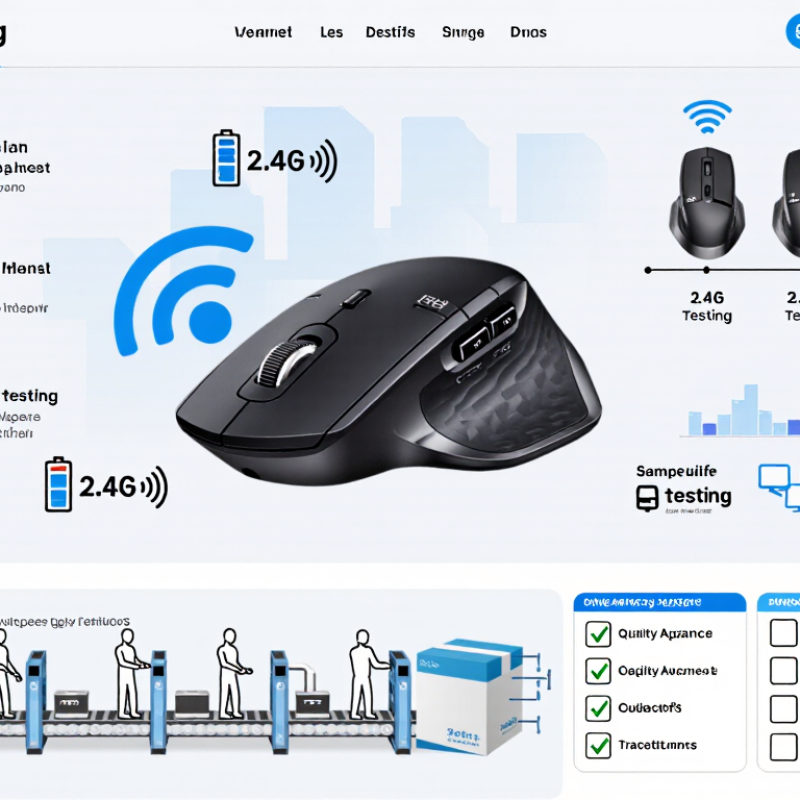
Map Demand with IDC’s 2024 Estimate of 262.7M Global PC Shipments
IDC’s Worldwide Quarterly Personal Computing Device Tracker estimated 262.7 million global PC shipments in 2024. The market recovered modestly, but shipment volume remains substantial. For Chinese wireless mouse manufacturers, this figure offers a practical demand map, not a direct mouse forecast. Each computer does not require a new mouse. Still, replacement cycles, home offices, gaming setups, and tablet users expand the addressable market.
Buyer demand should be measured by use case. Office customers usually value silent clicks, stable 2.4 GHz connections, and battery life above twelve months. Travel users often prefer compact bodies and dual-mode Bluetooth. For gaming, sensor consistency and measured latency matter more than exaggerated speed claims. Ask manufacturers for test records, sample units, receiver performance data, and documented quality-control procedures. Check wireless compliance for every target market.
Capacity also needs careful inspection. Review monthly output, component traceability, aging tests, click-life testing, and packaging accuracy. A factory may quote an attractive price, yet weak receiver shielding can create failures beside busy Wi-Fi environments. That is not always visible in a showroom sample. IDC’s estimate helps set market scale, but it cannot confirm product-market fit. My own selection process would compare three production samples, not one. One sample can simply be lucky. Trade data, customer reviews, and independent laboratory reports should support the final decision, although none is perfect.
Set Core Specs: 2.4GHz, Bluetooth 5.x, 800–8,000 DPI, 125–1,000Hz
China Best Wireless Mouse Manufacturers How to Choose?
When evaluating wireless mouse manufacturers, set the core specifications before discussing appearance or packaging. A 2.4GHz connection usually offers stable, low-latency control through a USB receiver. Bluetooth 5.x is convenient for laptops and tablets, but performance depends on the host device and surrounding wireless traffic. Ask for measured latency, not only connection claims. Small details matter.
DPI DPI should cover practical use, from about 800 to 8,000 DPI. Lower settings can feel steadier for design work, while higher settings suit large screens and fast cursor movement. However, a larger DPI number is not automatically better. Check sensor tracking at several levels, especially during slow diagonal movement.
I once tested a mouse that felt accurate at 1,600 DPI but became uneven near its maximum setting.
Polling rate affects response timing. At 125Hz, the mouse reports every 8 milliseconds; at 1,000Hz, reporting can reach every 1 millisecond. Higher rates may improve smoothness, yet they can increase power use and require stronger firmware support.
Request test results on different operating systems, battery figures, receiver range, and reconnection behavior. A serious manufacturer should explain failures, not hide them.
Some specifications still look impressive on paper, but real hand testing can expose the gap.
Shortlist Chinese Factories with ISO 9001, RoHS, CE, FCC, and REACH Records
Choosing a Chinese Wireless Mouse factory requires more than comparing unit prices. ISO’s 2023 Survey recorded 1,265,216 valid ISO 9001 certificates worldwide, showing how common quality systems have become. Yet a certificate alone can mislead. Check the issuer, certificate number, factory address, scope, and expiry date. The scope should cover wireless peripherals or electronic assembly, not an unrelated product category.
Request RoHS, REACH, CE, and FCC records for the exact mouse model. Match the report’s model number, battery type, PCB revision, and test sample against your purchase specification. For RoHS, review restricted-substance test results from a competent laboratory. REACH documentation should address SVHC declarations and material changes. FCC evidence must identify the wireless frequency, output power, and applicable testing procedure. CE records should include the relevant technical documentation and declaration of conformity. Records must match.
The 2024 Global E-waste Monitor reported 62 million tonnes of electronic waste generated in 2022, with annual volume projected to reach 82 million tonnes by 2030. This makes material control and product traceability practical buying concerns. During an audit, ask to see incoming inspection logs, soldering controls, calibration labels, and carton-level batch records. Request three production samples, not only showroom units. Test click consistency, sleep-mode power use, receiver stability, and surface tracking. Paper is not proof. A factory may have excellent documents but weak change control, which is an easy risk to overlook.
China Wireless Mouse Factory Compliance Screening Framework
The chart shows the recommended document checks for factories claiming ISO 9001, RoHS, CE, FCC, and REACH records. These are verification categories, not company scores or certification rankings.
ISO 9001 focuses on the quality management system. RoHS and REACH address chemical and material compliance, while CE and FCC support market-access and radio-frequency compliance. Buyers should verify certificate validity, product scope, test reports, declarations, traceability, and applicable labeling requirements.
Audit Capacity: Compare MOQ, 15–30-Day Lead Times, and Forecasted Volume
China Best Wireless Mouse Manufacturers: How to Choose?
When auditing a wireless mouse manufacturer, start with capacity, not glossy product photos. Request the current MOQ for each model, finish, receiver type, and packaging option. A factory may quote 500 units, then require 2,000 for a custom shell color. Record every condition in writing. During a visit, check assembly stations, testing benches, component storage, and finished cartons. Empty floor space proves little.
A reliable supplier should explain a realistic 15–30-day lead time. Ask whether this period includes material purchasing, assembly, inspection, and shipping preparation. Compare the promised schedule with recent production records. A mouse order can pause when batteries, switches, or wireless modules arrive late. Request a production plan with weekly quantities and responsible staff. Keep buffer time. My audits often find that optimistic dates exclude final testing.
Forecasted volume also changes the right supplier choice. Share a cautious three-month estimate, then compare it with demonstrated monthly output. For example, a supplier producing 8,000 units monthly may struggle with a sudden 20,000-unit order. Ask how capacity will expand without reducing inspection quality. The same review applies to Wireless Gaming Keyboard And Mouse Combos, where matching components create extra coordination. Forecasts are never perfect. Mine have been wrong before. Recheck them against sales data, seasonal demand, and actual reorder speed.
China Best Wireless Mouse Manufacturers How to Choose? - Audit Capacity: Compare MOQ, 15–30-Day Lead Times, and Forecasted Volume
| Audit Profile | Core Product Type | MOQ
(Units / SKU) | Sample Lead Time
(Days) | Mass-Production Lead Time
(Days) | Monthly Installed Capacity
(Units) | Verified Monthly Output
(Units) | Forecasted Annual Volume
(Units) | Capacity Coverage | Quality & Compliance Controls | Audit Assessment |
| Profile A | 2.4 GHz office mouse | 500 | 5–7 | 15–18 | 100,000 | 72,000 | 420,000 | 58% | Incoming inspection, functional testing, RoHS and REACH documentation | Strong fit for recurring medium-volume orders |
| Profile B | Bluetooth silent-click mouse | 1,000 | 7–10 | 20–25 | 150,000 | 98,000 | 720,000 | 49% | Button-life testing, wireless pairing tests, aging tests, RoHS and EMC test reports | Best balance of capacity and product maturity |
| Profile C | Ergonomic rechargeable mouse | 300 | 5–8 | 18–22 | 80,000 | 55,000 | 300,000 | 45% | Battery safety checks, charging-cycle tests, optical sensor calibration, final AQL inspection | Suitable for lower MOQ and customized ergonomic designs |
| Profile D | Gaming mouse with adjustable DPI | 1,500 | 8–12 | 25–30 | 200,000 | 135,000 | 1,080,000 | 67% | Switch-life testing, DPI accuracy checks, USB receiver testing, firmware validation | High-volume capable; reserve production slots in advance |
| Profile E | Compact travel mouse | 800 | 6–9 | 15–20 | 120,000 | 84,000 | 540,000 | 54% | Dimensional inspection, hinge-cycle testing, wireless range testing, packaging drop tests | Good option for fast replenishment and standard tooling |
| Profile F | Vertical productivity mouse | 500 | 7–10 | 22–28 | 60,000 | 38,000 | 240,000 | 53% | Ergonomic fit checks, sensor performance testing, battery inspection, AQL sampling | Appropriate for niche orders; confirm component availability |
Audit Notes: Capacity coverage is calculated as forecasted annual volume divided by verified annual output capacity. Lead times assume approved artwork, available components, and no major tooling changes. Actual figures should be reconfirmed through production records, purchase orders, quality reports, and an on-site or third-party factory audit before contract award.
Validate Durability with 5–10M Click Tests and AQL 1.5 Sampling Plans
When evaluating China’s best wireless mouse manufacturers, ask for measurable durability evidence, not attractive samples. A 5–10 million click test should use production units, not specially selected prototypes. Test left and right buttons separately. Record switch type, actuation force, failure points, and test speed.
A 5M test is useful for office products. A 10M target suits competitive Wireless Gaming Mouse And Keyboard systems. However, click claims can mislead when testing conditions remain hidden. Request dated videos, test logs, and failed-unit records. Small details matter. Dust exposure matters too.
Use ISO 2859-1 when reviewing an AQL 1.5 sampling plan. This standard provides a recognized framework for lot acceptance and sample selection. Ask the factory to state lot size, inspection level, sample quantity, and acceptance numbers. AQL 1.5 does not mean 1.5% of every shipment will fail. It describes a sampling risk system.
QIMA’s 2024 Quality Control Report emphasizes consistent inspections and defect tracking across manufacturing supply chains. Apply that discipline to button life, double-click failures, scroll-wheel skips, and wireless dropouts. A practical incoming inspection can combine visual checks, functional cycling, and random destructive testing. Do not rely on one successful batch. Request three consecutive production-lot results, then compare variation. Even strong suppliers may show uneven performance during switch or shell changes. That uncomfortable gap deserves investigation.
Verify Battery Claims Against Bluetooth SIG Data and Independent Runtime Tests
When comparing Chinese wireless mouse manufacturers, battery claims need evidence, not attractive numbers. Ask for Bluetooth SIG data and qualification details for the actual model. A Bluetooth SIG record can confirm declared technology compliance and product identity. It does not prove a mouse will last 24 months. That distinction matters. Request the tested battery capacity, connection mode, sensor setting, and sleep timer. A vague “up to” figure deserves careful questioning.
Run independent runtime tests under repeatable conditions. Use the same surface, polling rate, lighting, and daily workload. For example, record runtime with eight hours of movement each day. Test one unit continuously, then test another production sample. Results may differ. Measure voltage before use and after automatic shutdown. Also check charging time, low-battery warnings, and performance during the final hour. A mouse used beside a Wireless Gaming Keyboard And Mouse set may face extra radio activity, but that should be measured rather than assumed.
Ask for raw logs, test dates, firmware versions, and sample quantities. Photos of the test setup add useful credibility. I once trusted a capacity label without checking sleep behavior. The result looked excellent on paper, yet real office use was shorter. That mistake remains worth remembering. Reliable suppliers explain limits clearly, including lighting, polling, and standby conditions. Their answers should match the SIG record and independent data, not merely repeat a catalog sentence.
Rank Total Cost: Landed Price, Tooling, Warranty, Defects, and Support
China Best Wireless Mouse Manufacturers: How to Choose?
Compare total cost, not the factory quotation. A practical landed-price model includes unit price, batteries, packaging, freight, insurance, duties, inspection, and payment fees.
For example, 10,000 units at an $8 landed price cost $80,000 before defects. A 2.5% defect rate adds 250 replacements. At $14 per replacement, the hidden cost reaches $3,500. The figure is illustrative, not an industry average. Still, many purchasing teams miss it.
Tooling deserves separate attention. Request cavity numbers, tool steel specifications, maintenance charges, and ownership terms. A low mold quote can become expensive after repeated repairs.
The World Bank’s 2023 Logistics Performance Index evaluates customs, infrastructure, logistics services, and delivery timeliness. Ask suppliers for lane-specific evidence, not general promises.
McKinsey Global Institute reported that supply-chain disruptions could threaten 45% of annual profits over a decade across industries. Wireless accessories are smaller, but delays still create launch costs.
Warranty terms should define return authorization, testing rules, replacement timing, and freight responsibility. Reserve money for early-life failures and field support.
A factory claiming “less than 1% defects” should show inspection records, sampling plans, and serial-level traceability.
I would also test scroll wheels, switches, receiver pairing, sleep mode, and battery drain in real office conditions. Lab samples can look perfect. They sometimes do.
Support response time matters more than polished brochures. Recheck the assumptions before signing.
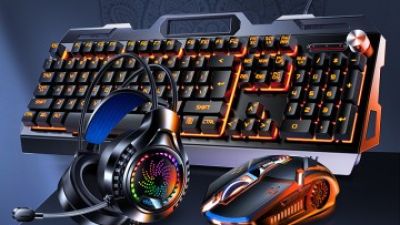
RGB Gaming Keyboard, Mouse & Headset Combo: A Data-Led Guide Based on Newzoo’s 2024 Global Games Market Report
As global gaming continues to expand across competitive play, casual entertainment, education and social interaction, PC users increasingly value practical equipment that supports multiple activities. This RGB gaming keyboard, mouse and headset combo is designed around that demand, combining essential wired peripherals in one coordinated desktop package. It suits gamers, students, home users, internet cafés and shared computer spaces where reliable, easy-to-manage accessories are important.
The full-size 104-key keyboard offers a familiar layout for gaming, typing, study and office work. Its 9-key anti-ghosting function helps register simultaneous commands more accurately, while RGB lighting adds atmosphere to gaming stations and dark-room setups. The ergonomic optical mouse provides adjustable DPI for controlled aiming, detailed tasks or faster navigation, supported by an anti-slip surface and lightweight handling. A matching headset with microphone enables team communication, online meetings, voice chat and multimedia use without requiring separate purchases.
From a retail and distribution perspective, the three-piece format simplifies product selection and creates a clear value proposition for entry-level gaming bundles, back-to-school promotions, office upgrades and café installations. Its plug-and-play wired design avoids battery charging and wireless pairing, making deployment straightforward for online sellers, computer shops, wholesalers and private-label programs seeking broad appeal across gaming and everyday desktop use.
FAQS
Request ISO 9001, RoHS, CE, FCC, and REACH records. Check the issuer, certificate number, factory address, scope, and expiry date. The scope should cover wireless peripherals or electronic assembly. A certificate alone is not proof.
Compare the report with the exact mouse model and purchase specification. Check the model number, battery type, PCB revision, and test sample. Wireless frequency and output power should match the technical records. Records must match.
Review incoming inspection logs, soldering controls, and calibration labels. Check component storage, testing benches, assembly stations, and finished cartons. Ask for carton-level batch records and three production samples. Empty space proves little.
Many orders require 15–30 days for purchasing, assembly, inspection, and preparation. Ask for weekly quantities and responsible staff. Confirm whether batteries, switches, and wireless modules are already available. Keep buffer time.
Request the MOQ for each model, finish, receiver type, and packaging option. A quoted 500-unit MOQ may become 2,000 units for custom colors. Write every condition into the purchase agreement. Details change.
Compare your three-month estimate with the supplier’s verified monthly output. An 8,000-unit monthly factory may struggle with a sudden 20,000-unit order. Ask how extra capacity will protect inspection quality. Forecasts fail sometimes.
Request 5–10 million click tests using ordinary production units. Test left and right buttons separately. Review switch type, actuation force, test speed, failure points, and dated logs. Prototypes can look better.
Ask the factory to state lot size, inspection level, sample quantity, and acceptance numbers. AQL 1.5 describes sampling risk, not a guaranteed 1.5% failure rate. Check button life, double-click failures, scroll skips, and wireless dropouts. One good batch is insufficient.
Conclusion
Choosing the right Wireless Mouse manufacturer in China requires a structured, evidence-based process. Start by estimating demand using global PC shipment trends, then define essential specifications such as 2.4GHz and Bluetooth 5.x connectivity, 800–8,000 DPI sensitivity, and polling rates from 125 to 1,000Hz. Shortlist factories that can provide valid ISO 9001, RoHS, CE, FCC, and REACH documentation, and compare their MOQ, production capacity, typical 15–30-day lead times, and ability to support forecasted volumes.
Before placing an order, conduct durability testing, including 5–10 million click evaluations and AQL 1.5 sampling inspections. Battery performance should be checked against Bluetooth SIG information and independent runtime tests rather than relying solely on supplier claims. Finally, rank suppliers by total cost, including landed price, tooling, warranty coverage, defect rates, communication quality, and after-sales support. This approach helps buyers select a reliable manufacturing partner while balancing performance, compliance, quality, and long-term purchasing value.






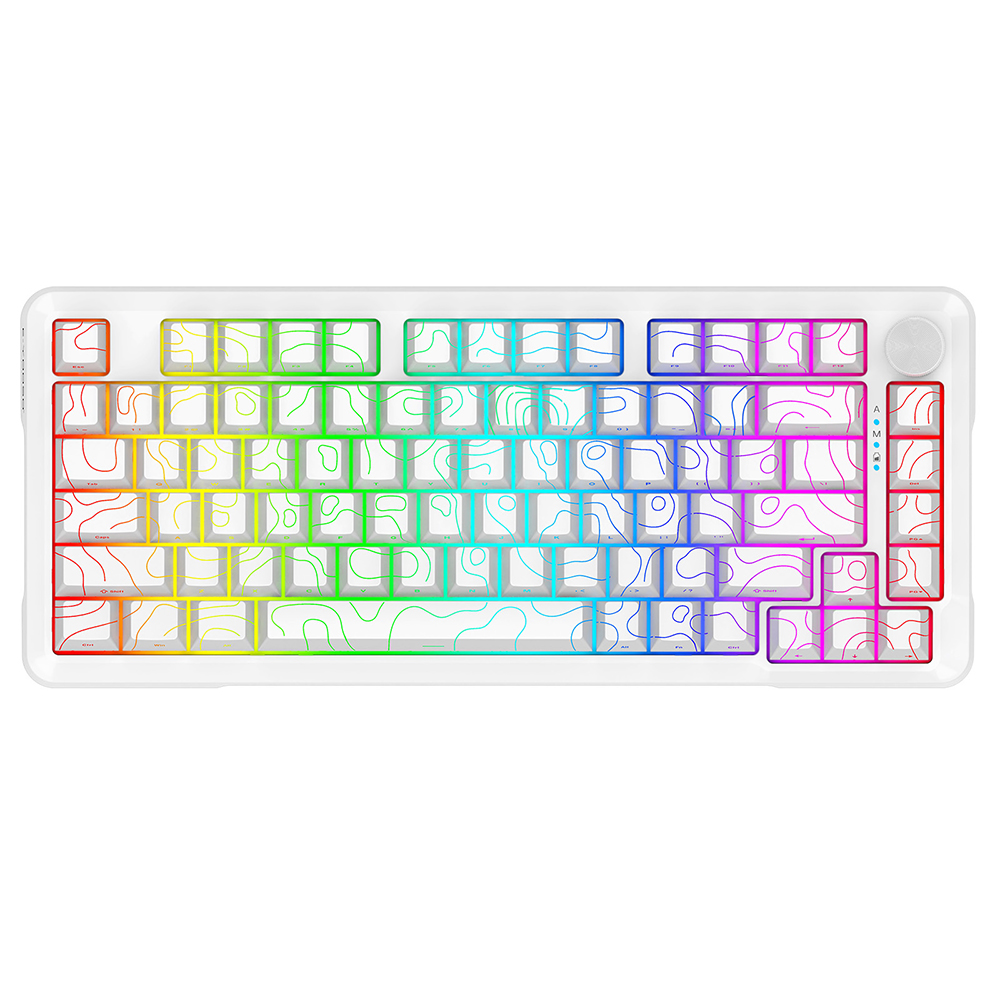 Gaming Keyboard
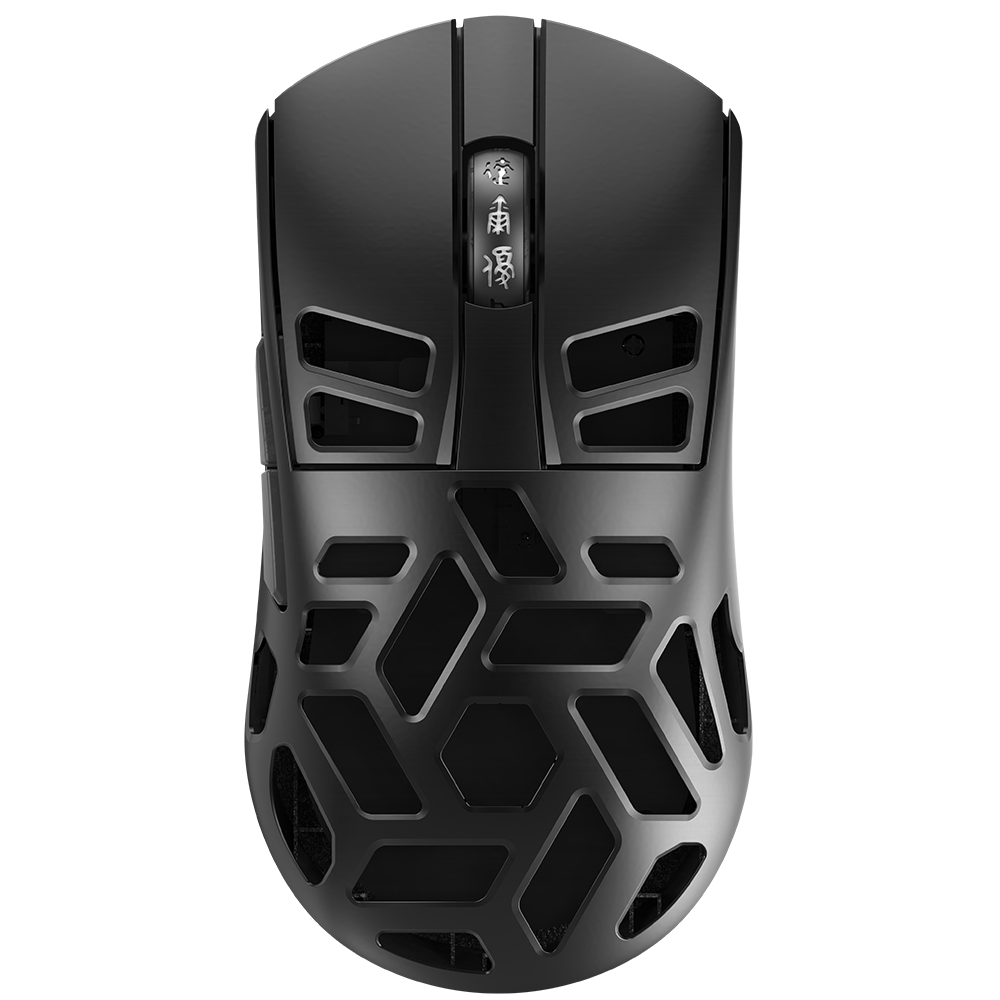 Gaming Mouse
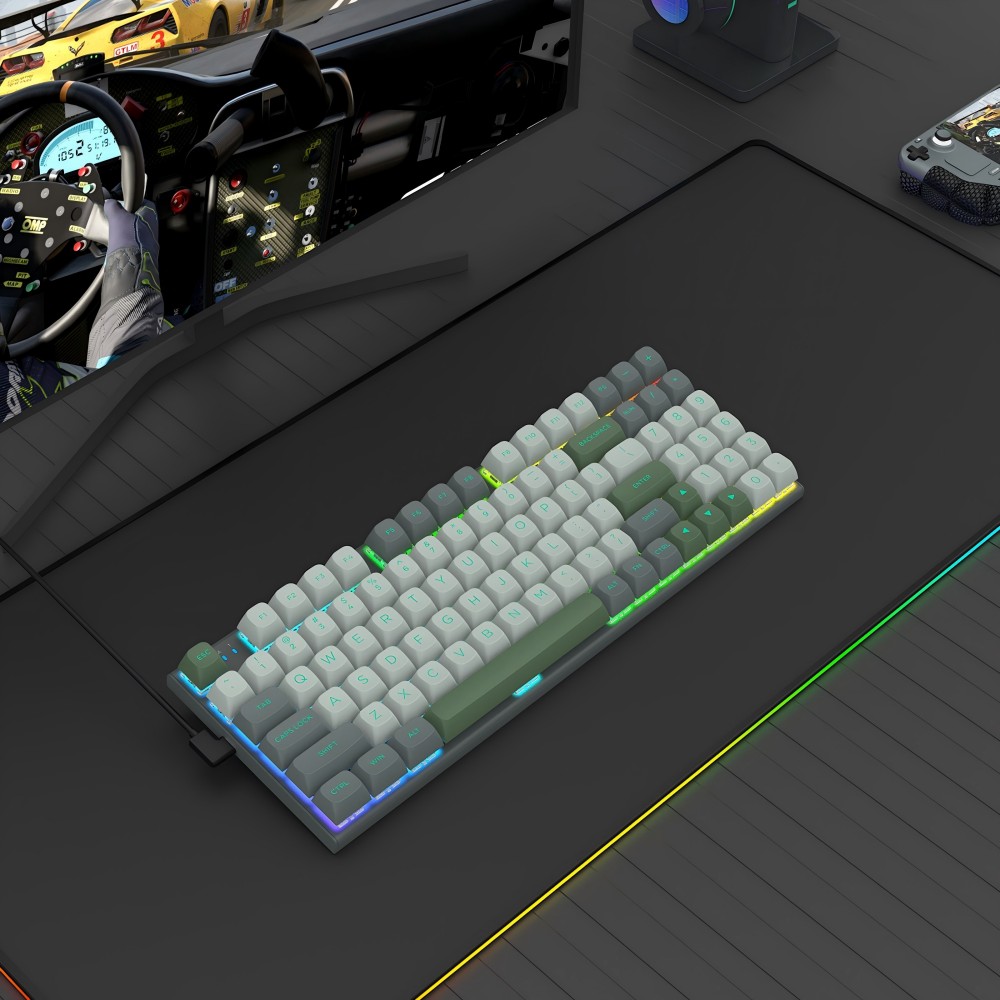 Gaming Keyboard And Mouse Combo
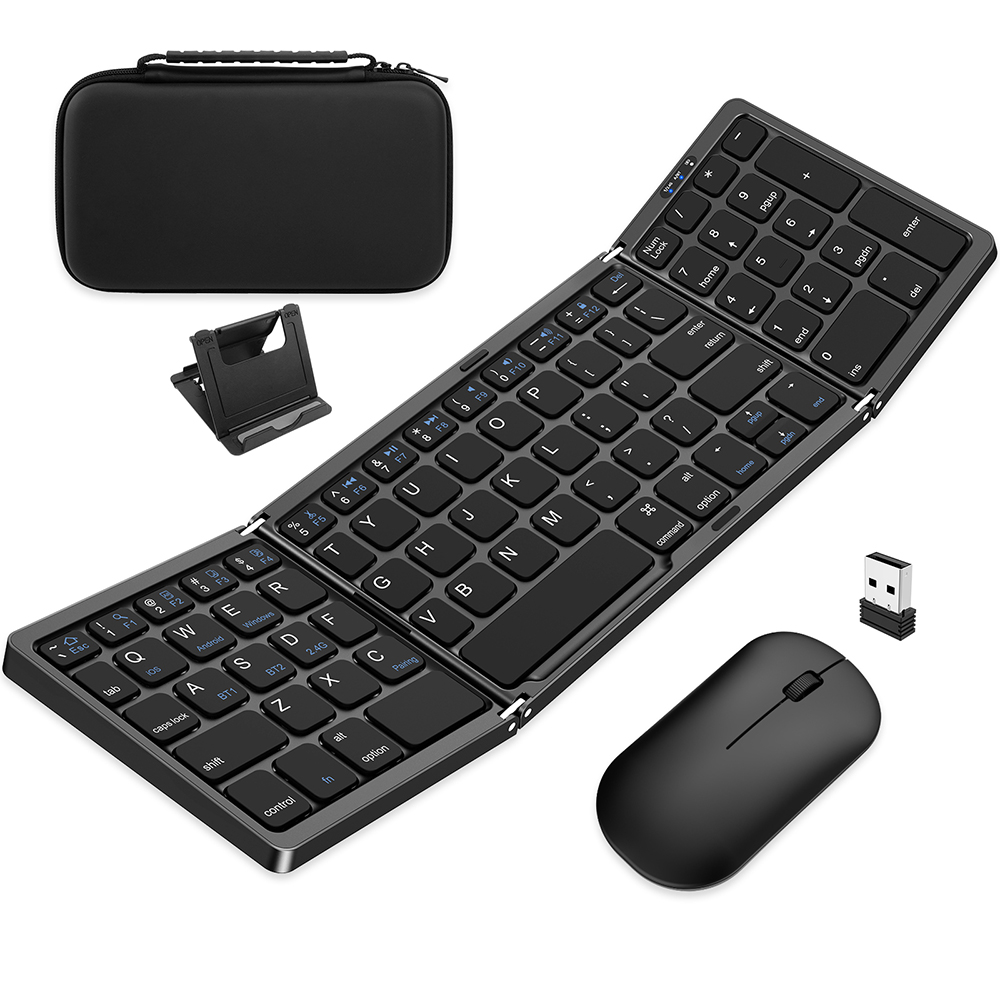 Office Keyboard
 Office Mouse
 Office Keyboard And Mouse Combo