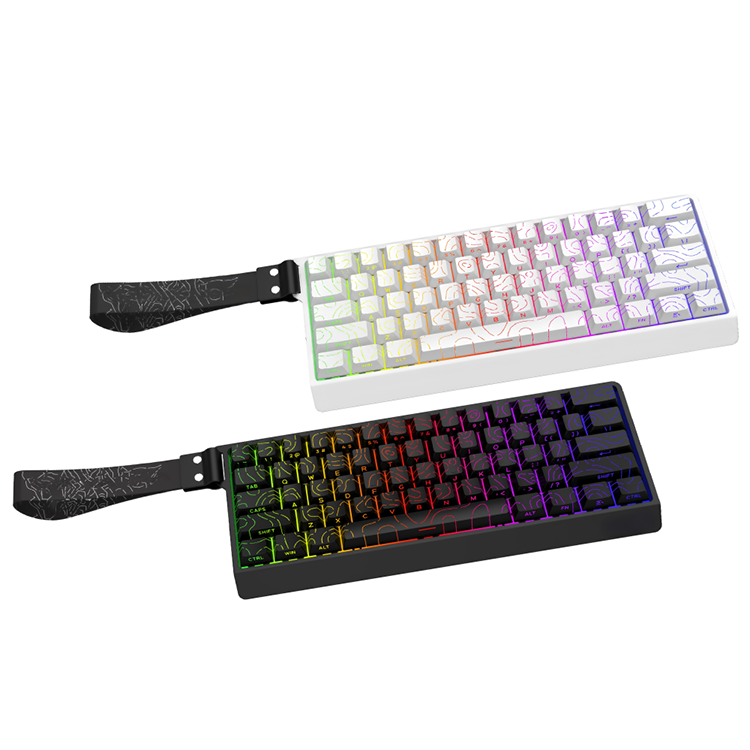
 Gaming Keyboard
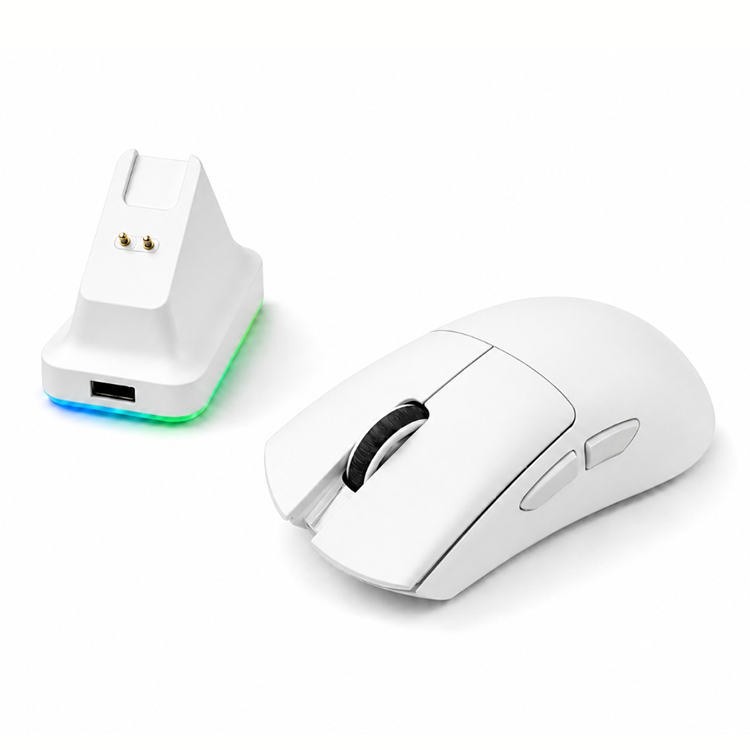 Gaming Mouse
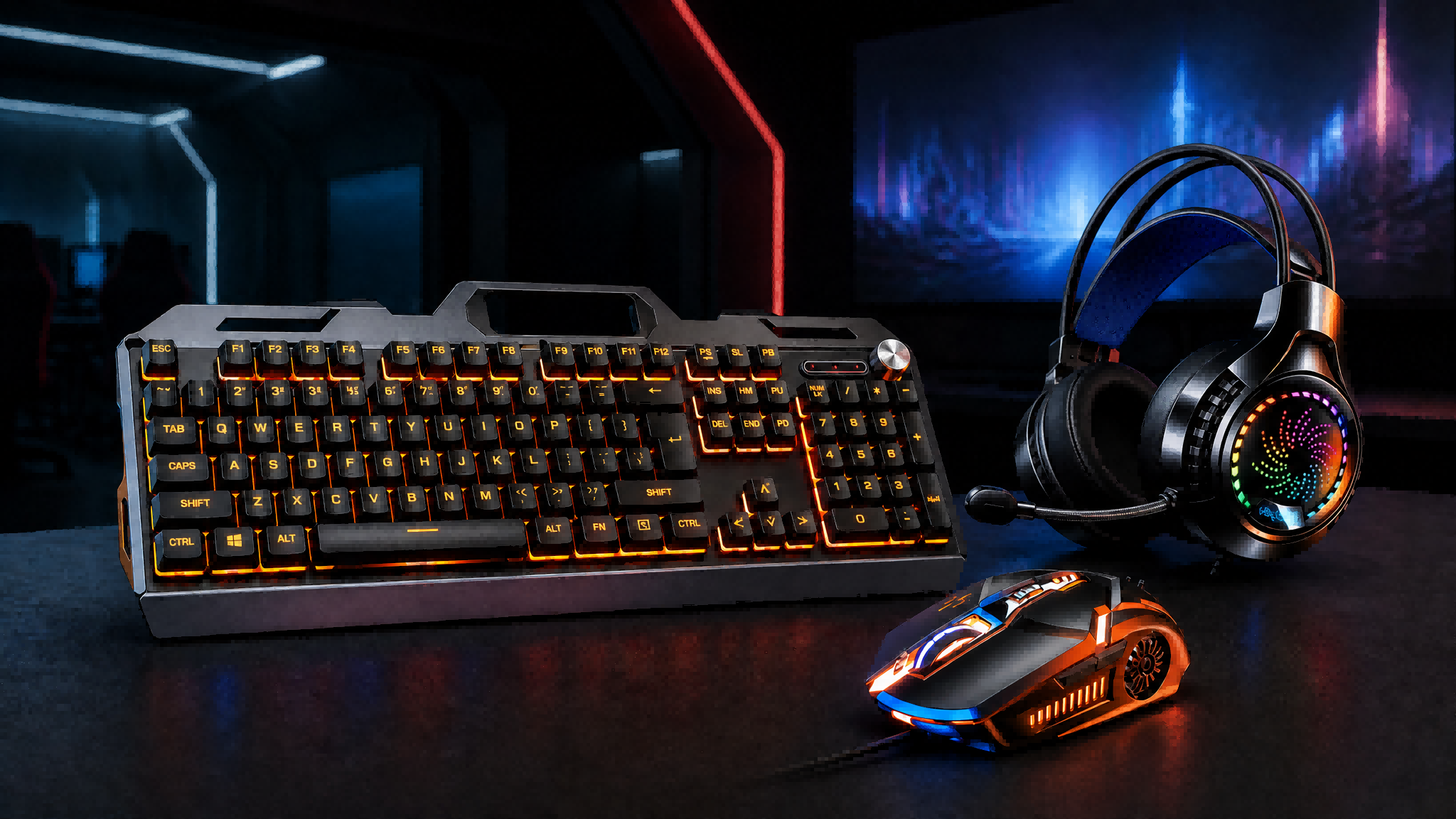
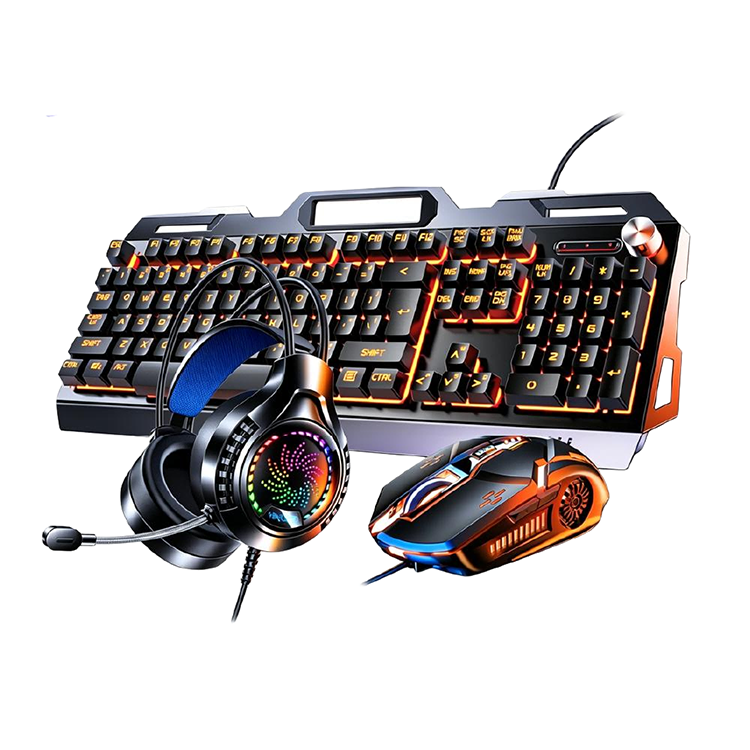 Gaming Keyboard And Mouse Combo
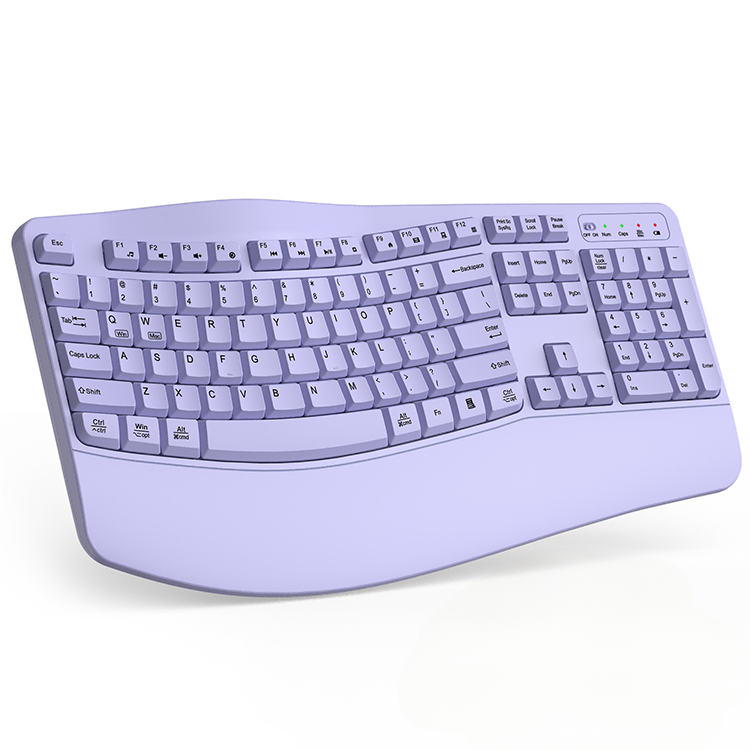 Office Keyboard
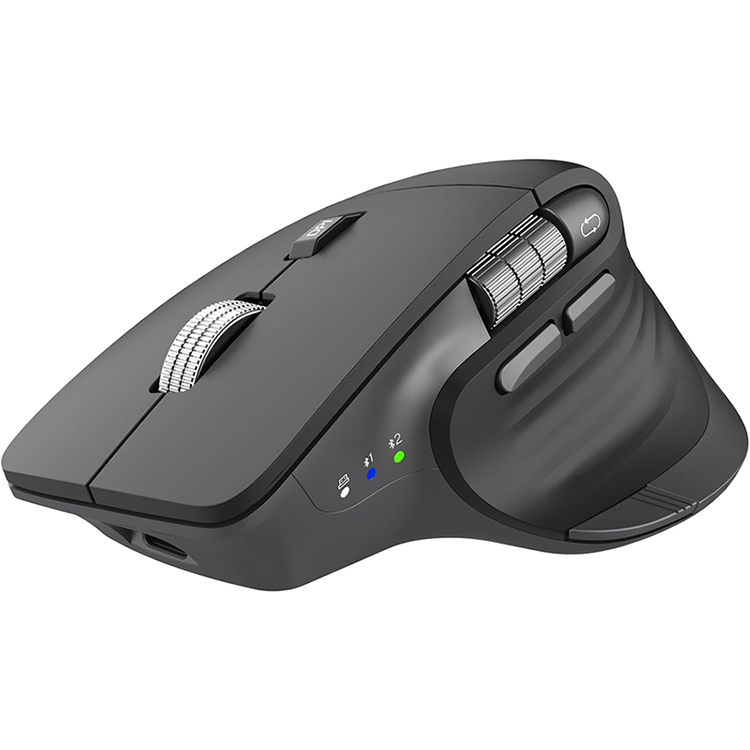 Office Mouse
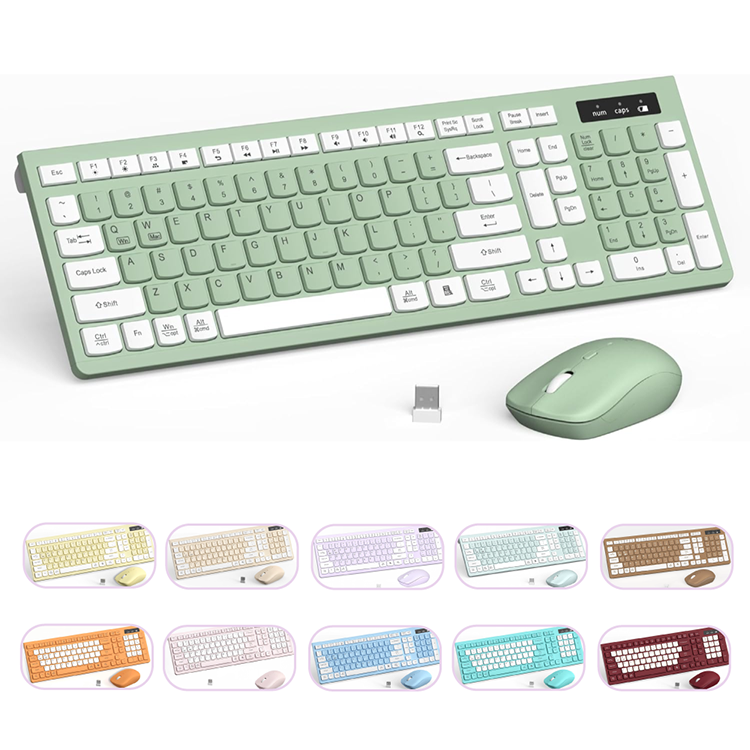 Office Keyboard And Mouse Combo




OEM vs. ODM Keyboard and Mouse Manufacturing: Which Solution Is Right for Your Brand?
1. Why Customized Keyboard and Mouse Products Matter for Your Brand
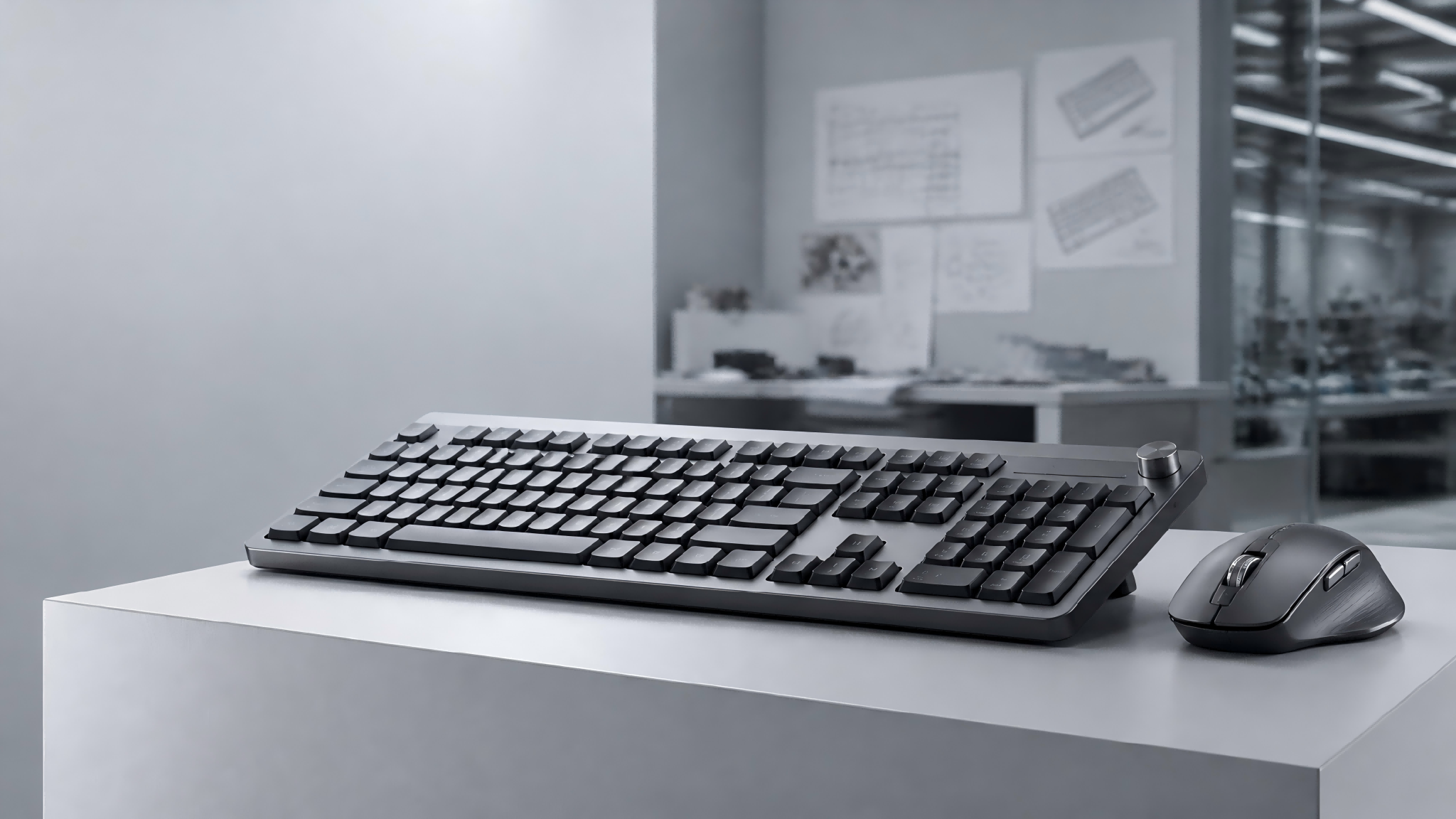
The computer peripherals market serves a wide range of customers, from office users and remote workers to gaming enthusiasts and professional buyers. Different customer groups have different expectations regarding design, functionality, pricing, and product positioning.
Selling generic products may be a practical starting point, but brands often need more control over product appearance, specifications, packaging, and user experience as their businesses grow.
A customized Keyboard or mouse can help your business:
Build brand recognition: Consistent product design, logos, and packaging create a more recognizable brand identity.
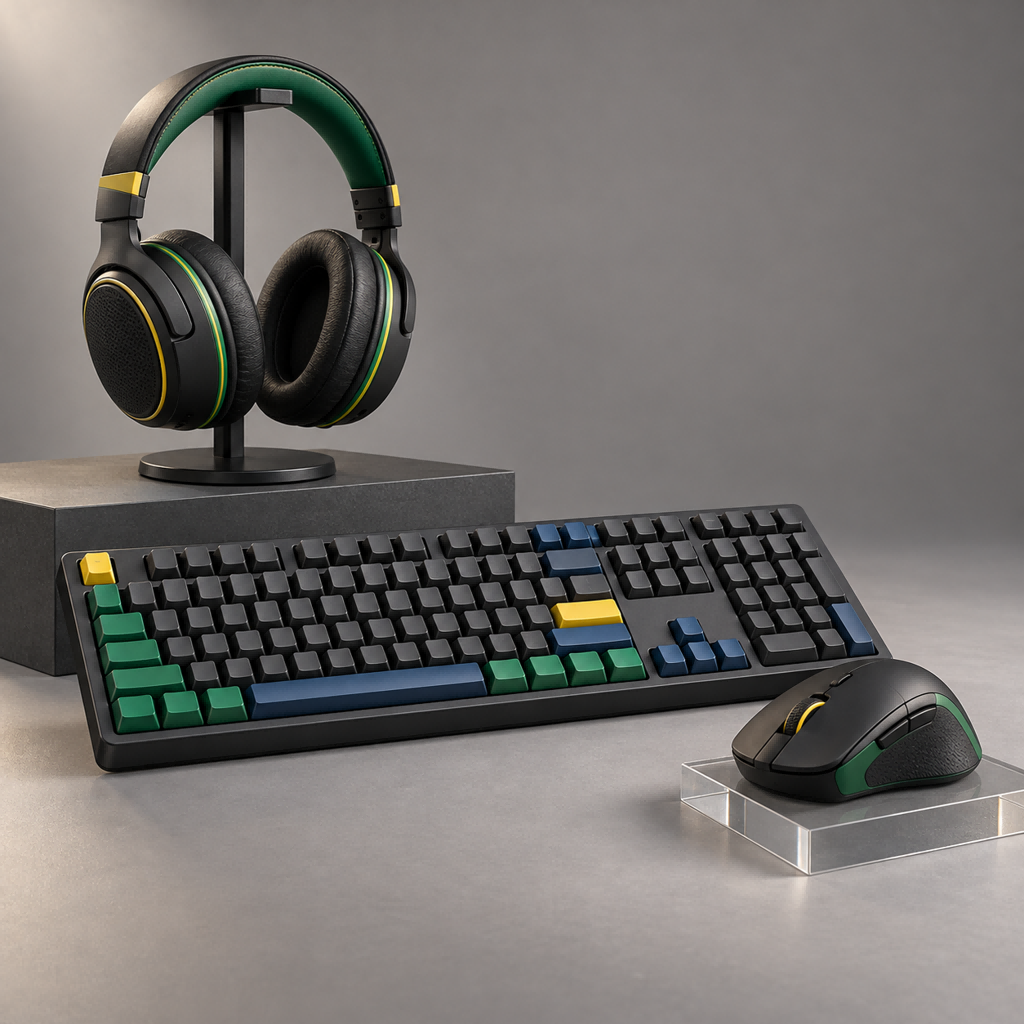
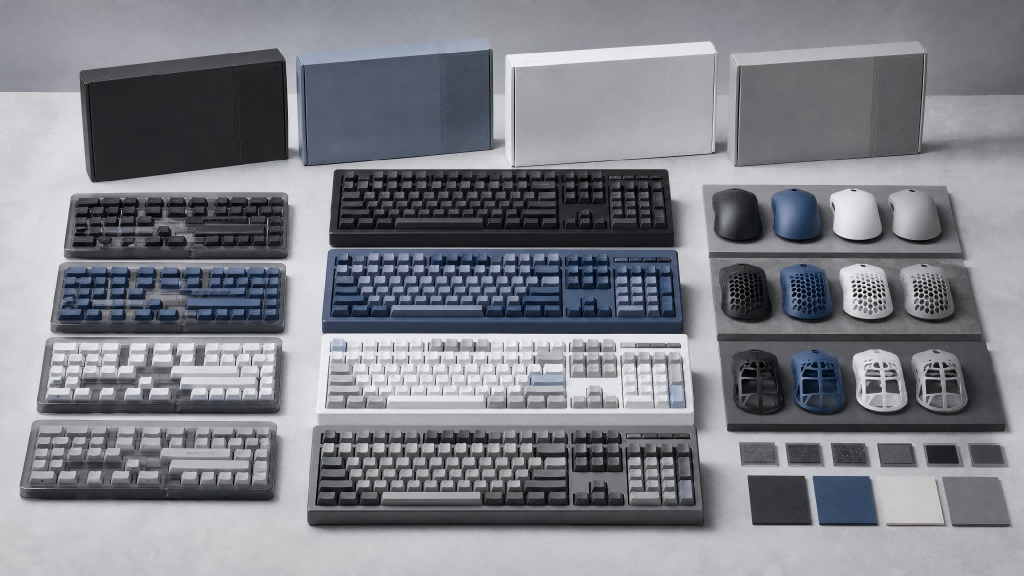
Differentiate your product range: Customized colors, keycap designs, lighting effects, and ergonomic features can help distinguish your products from competing offers.
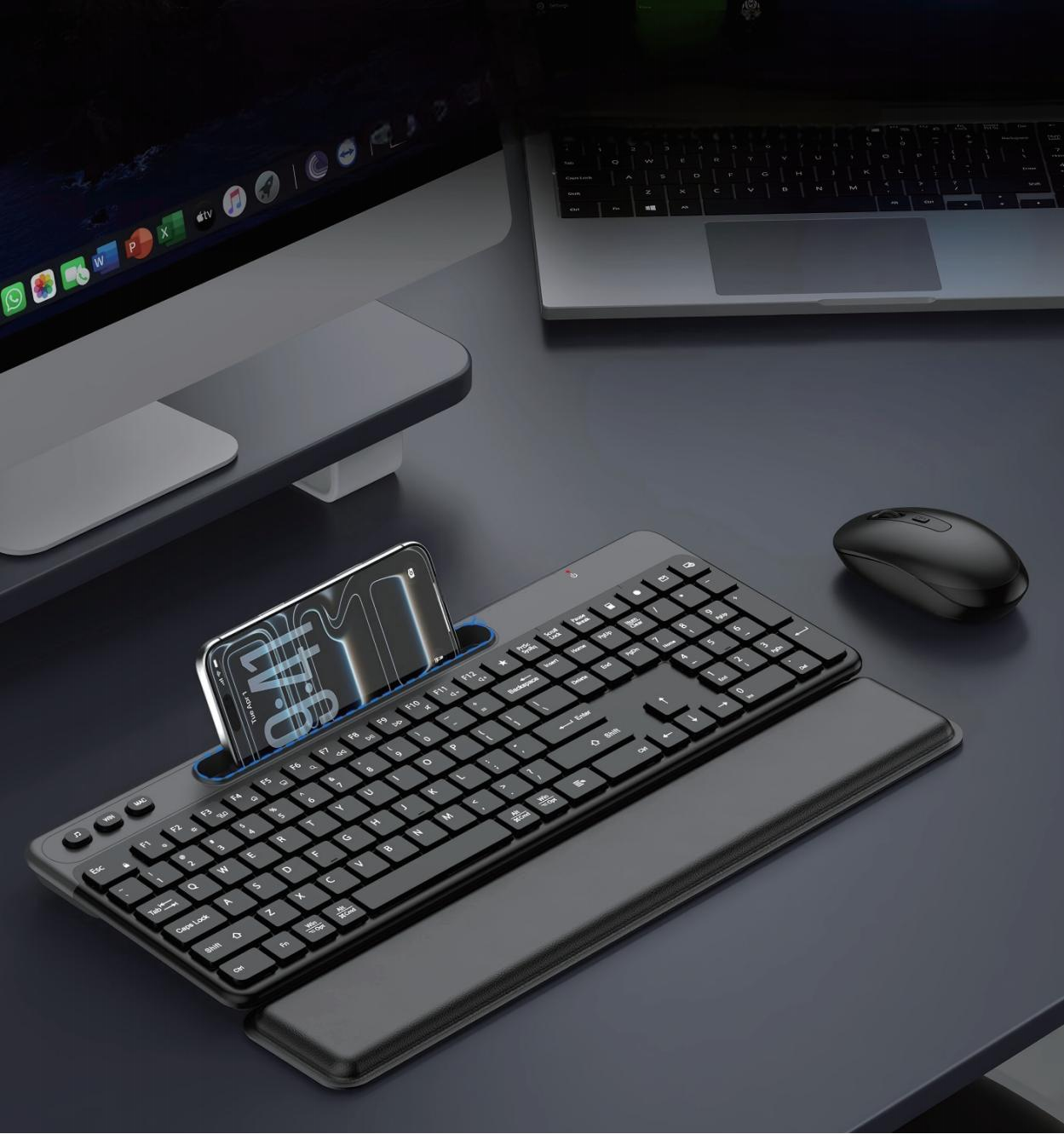
Target specific customer segments: Office peripherals, wireless keyboard and mouse combos, mechanical gaming keyboards, and programmable gaming mice serve different market needs.
Develop a consistent product portfolio: Coordinated designs and specifications can support a more unified product line.
Improve purchasing flexibility: Working directly with a manufacturer can help you evaluate customization options against your budget and order volume.
The key is to choose a customization model that matches your current business stage, technical requirements, and long-term growth plans.
2. What Is OEM Keyboard and Mouse Manufacturing?
OEM stands for Original Equipment Manufacturer. In keyboard and mouse manufacturing, OEM cooperation commonly allows a brand to customize an existing product platform or manufacture products according to agreed specifications.
Instead of developing every component from scratch, buyers can start with an established product model and adapt selected features to their market requirements.
Common OEM Customization Options
Depending on the product platform and manufacturer's capabilities, customization may include:
Logo and branding
Add your brand logo to suitable product surfaces, keycaps, the mouse shell, or retail packaging. The available printing or marking method depends on the material and product structure.
Product colors and appearance
Choose from supported color options or evaluate custom colors for keyboard housings, mouse shells, keycaps, and other components. Custom colors may require additional material preparation or minimum order quantities.
Keycaps and keyboard layouts
For compatible keyboard models, buyers may select keycap colors, legends, layouts, and selected materials. Regional layouts should be confirmed before sampling and production.
Lighting and functional configurations
Selected gaming keyboards and mice may support different RGB lighting effects, connectivity options, switches, sensors, or programmable functions, depending on the model.
Packaging and retail presentation
Customize packaging artwork, labels, manuals, inserts, and carton markings to meet your brand and distribution requirements.
Why OEM Can Be a Practical Starting Point
OEM manufacturing can reduce the need for new product development when the selected model already meets most of your requirements.
It may be suitable for importers, distributors, established brands, and e-commerce sellers who want to build a private-label product line without investing immediately in a completely new product design.
However, customization is not unlimited. Before placing an order, buyers should confirm which specifications can be changed, whether tooling or development fees apply, what the MOQ is for each customization, and how the final sample will be approved.
3. What Is ODM Keyboard and Mouse Manufacturing?
ODM stands for Original Design Manufacturer. Under an ODM arrangement, a manufacturer provides an existing design or works with the buyer to develop a product based on an agreed design concept and technical requirements.
The degree of customization depends on the manufacturer's R&D resources, available product platforms, component choices, tooling requirements, and project scope.
For example, a gaming brand may want a lightweight mouse with a distinctive shell, a mechanical keyboard with a specific layout, or a wireless keyboard and mouse combo designed for a particular retail channel.
An ODM project can help translate these requirements into a practical product specification.
How an ODM Project Typically Works
Step 1: Define the product concept
Identify your target customers, intended retail positioning, preferred appearance, key functions, target price range, and expected order volume.
Step 2: Evaluate existing platforms and technical feasibility
The manufacturer reviews whether an existing design can meet your needs or whether additional engineering, component changes, or new tooling may be necessary.
Step 3: Confirm specifications and development costs
Agree on the product configuration, development scope, sampling requirements, tooling responsibilities, estimated timeline, and commercial terms.
Step 4: Develop and review samples
Evaluate product appearance, ergonomics, key feel, connectivity, software functions where applicable, and other agreed performance requirements.
Step 5: Validate quality and prepare production
Finalize the approved specifications, quality criteria, packaging, and production plan before authorizing mass production.
When Is ODM the Better Choice?
ODM may be appropriate for brands that require more design flexibility, a more differentiated product offering, or product development support beyond basic logo and packaging customization.
It can also help buyers explore product concepts without managing every aspect of hardware development independently.
Nevertheless, a new design does not automatically guarantee a successful product. Buyers should evaluate technical feasibility, development costs, intellectual property arrangements, testing requirements, and the commercial potential of the finished product before committing to a project.
4. OEM vs. ODM: Cost, Development Time, MOQ, and Flexibility
The best manufacturing model depends on what you want to customize and how much investment your business is prepared to make.
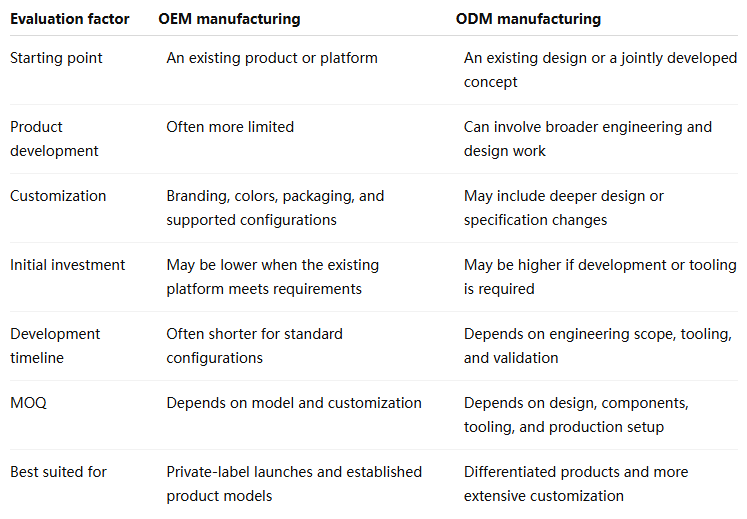
These are general comparisons, not fixed rules. Some ODM projects use mature designs and require relatively limited development, while certain OEM orders may involve special tooling, unique components, or substantial customization.
How to Evaluate the Total Cost
When comparing manufacturer quotations, look beyond the unit price. Request a breakdown of the relevant costs, including:
·Product unit price at different order quantities.
·Logo application and customized component costs.
·Sampling, engineering, and tooling fees, where applicable.
·Packaging design, printing, and material costs.
·Product testing, compliance documentation, and certification-related costs, where required.
MOQ and lead time should also be confirmed separately for the product itself, customized components, packaging, and any newly developed tooling.
A professional manufacturer should help you understand which requirements affect cost and which options may provide a better balance between product differentiation and investment.
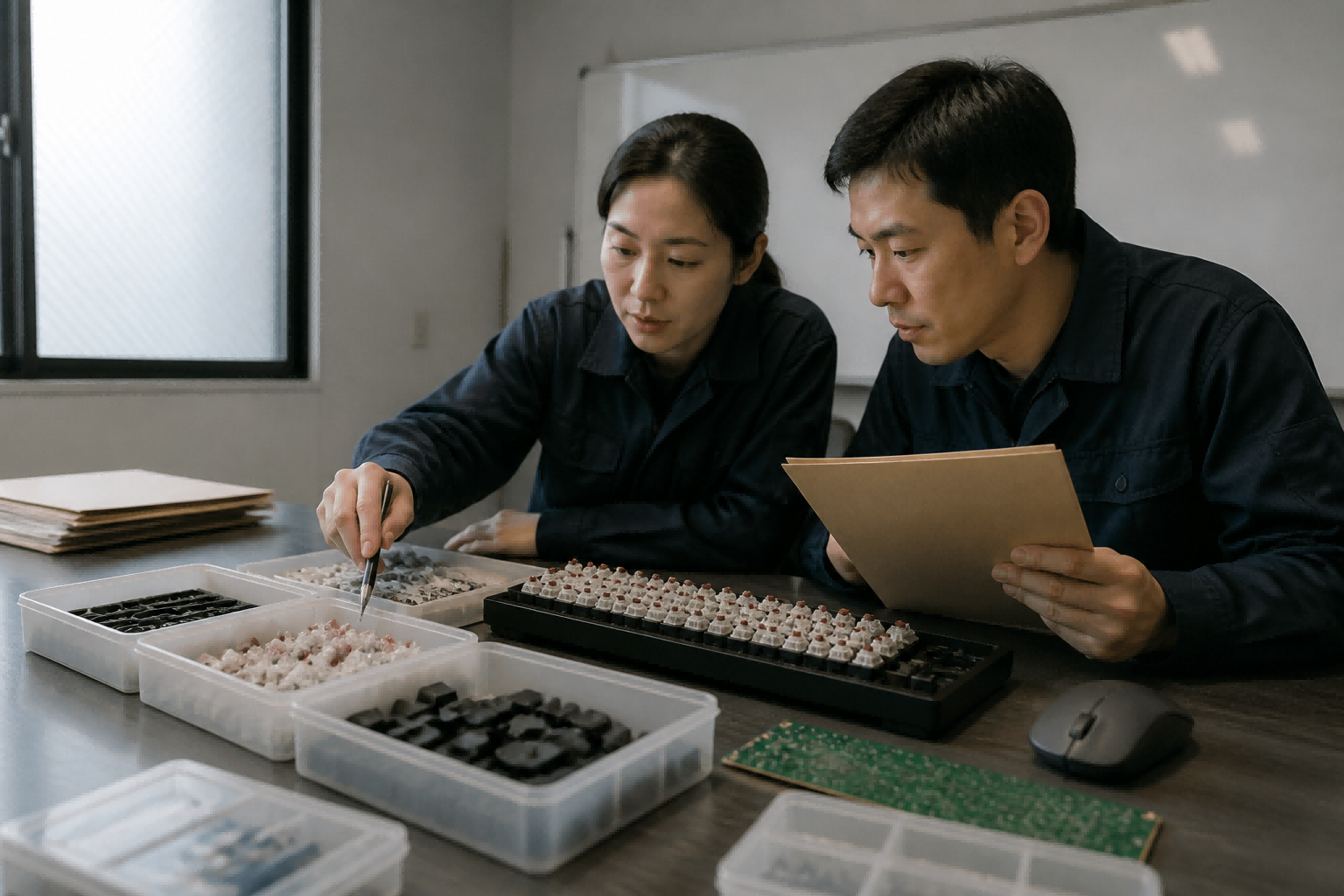
5. Customization Options for Keyboards and Mice
Before requesting a quotation, identify the features that matter most to your target customers. A clear specification makes it easier for a manufacturer to recommend suitable platforms and prepare an accurate proposal.
Keyboard Customization
Depending on the model and project scope, keyboard customization may cover:
·Full-size, compact, or other supported keyboard layouts.
·Office membrane keyboards or mechanical gaming keyboards.
·Keycap colors, legends, and selected material options.
·Wired, 2.4 GHz wireless, Bluetooth, or supported multi-mode connectivity.
·RGB or other supported backlighting configurations.
·Hot-swappable switches, programmable functions, or other model-dependent features.
·Logo placement, product color, retail packaging, and accessories.
For office keyboards, buyers may prioritize comfortable typing, quiet operation, reliable connectivity, and practical layouts. Gaming keyboard projects may place more emphasis on switch options, lighting, programmability, and gaming-oriented design.
Mouse Customization
For mouse projects, buyers can explore options such as:
·Office, ergonomic, or gaming-oriented product designs.
·Supported sensor and DPI configurations.
·Wired or wireless connectivity.
·Programmable buttons and software features on compatible models.
·Shell colors, surface finishes, logo placement, and lighting.
·Product packaging, manuals, and bundled accessories.
For a private-label Gaming Mouse, the right specifications depend on the intended audience. A competitive gaming product may require a different weight, sensor, polling rate, or button configuration from a general-purpose office mouse.
All technical features should be confirmed against the selected model and validated through product documentation and samples.
Customized Keyboard and Mouse Combos
A keyboard and mouse combo can help distributors and retailers offer a coordinated product solution.
Buyers may align the keyboard and mouse colors, branding, packaging, and supported connectivity options. Before production, confirm that the two products are compatible with the intended devices and operating systems and that the complete package meets the requirements of the target market.
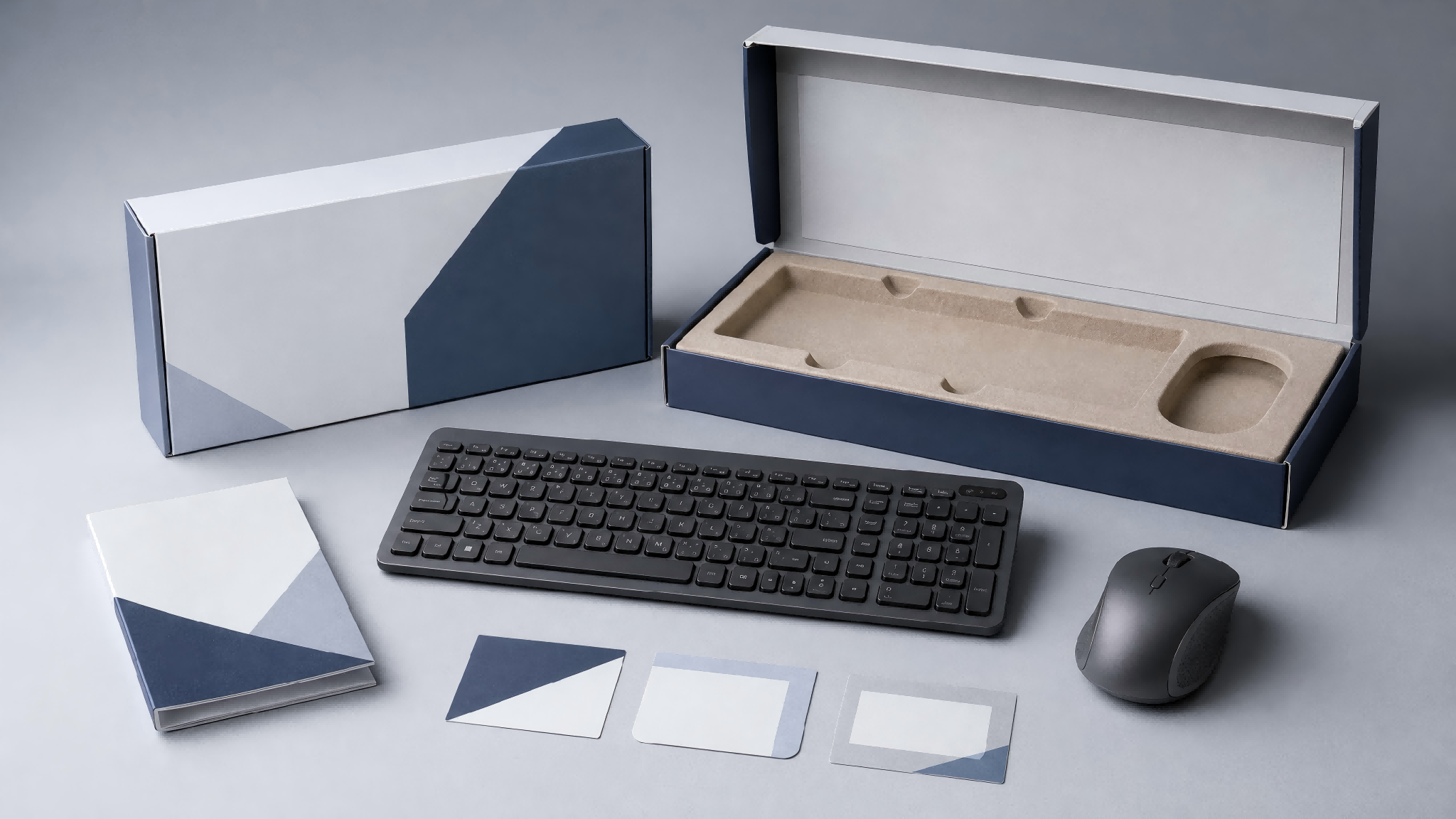
6. How to Prepare an Effective OEM/ODM Customization Brief
A clear brief helps reduce misunderstandings, unnecessary sampling, and unexpected costs.
Before contacting a keyboard or mouse manufacturer, prepare the following information:
1. Target market
Specify the destination country or region, intended sales channel, and target customer group.
2. Product category
Identify whether you need an office keyboard, mechanical gaming keyboard, wireless mouse, ergonomic mouse, or keyboard and mouse combo.
3. Required specifications
List the layout, connectivity, switches, sensor requirements, lighting, materials, dimensions, and other essential functions.
4. Branding and packaging
Provide logo files, preferred colors, packaging references, language requirements, and any retailer-specific packaging standards.
5. Target price and order quantity
Share your approximate target unit cost, initial order quantity, and expected future purchasing volume. These details help the manufacturer evaluate suitable product platforms and customization levels.
6. Development expectations
Clarify whether you prefer a mature product with branding customization or a more extensive ODM development project. If you have reference images, sketches, or technical drawings, include them.
7. Quality and compliance requirements
Identify required performance criteria, testing expectations, and applicable market regulations or certification requirements.
8. Timeline
State your target sample review date, intended order placement date, and desired delivery window. The manufacturer can then assess feasibility against material availability and development requirements.
The more clearly these requirements are defined, the easier it becomes to compare proposals from different suppliers on an equivalent basis.

7. What to Look for in a Reliable Keyboard and Mouse Manufacturing Partner
The right manufacturing partner should be able to explain not only what can be customized, but also how the project will be managed from initial discussion to mass production.
When evaluating a keyboard manufacturer or mouse supplier, consider the following areas.
Manufacturing capabilities
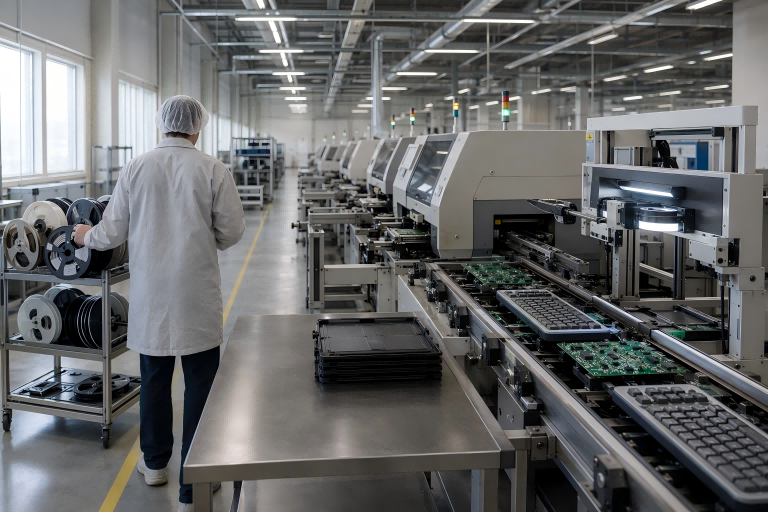
Ask which production processes are handled in-house, which are outsourced, and how production capacity is planned for your order.
Engineering and product development
Evaluate the team's ability to review specifications, identify technical limitations, recommend suitable product platforms, and support sample development.
Quality management
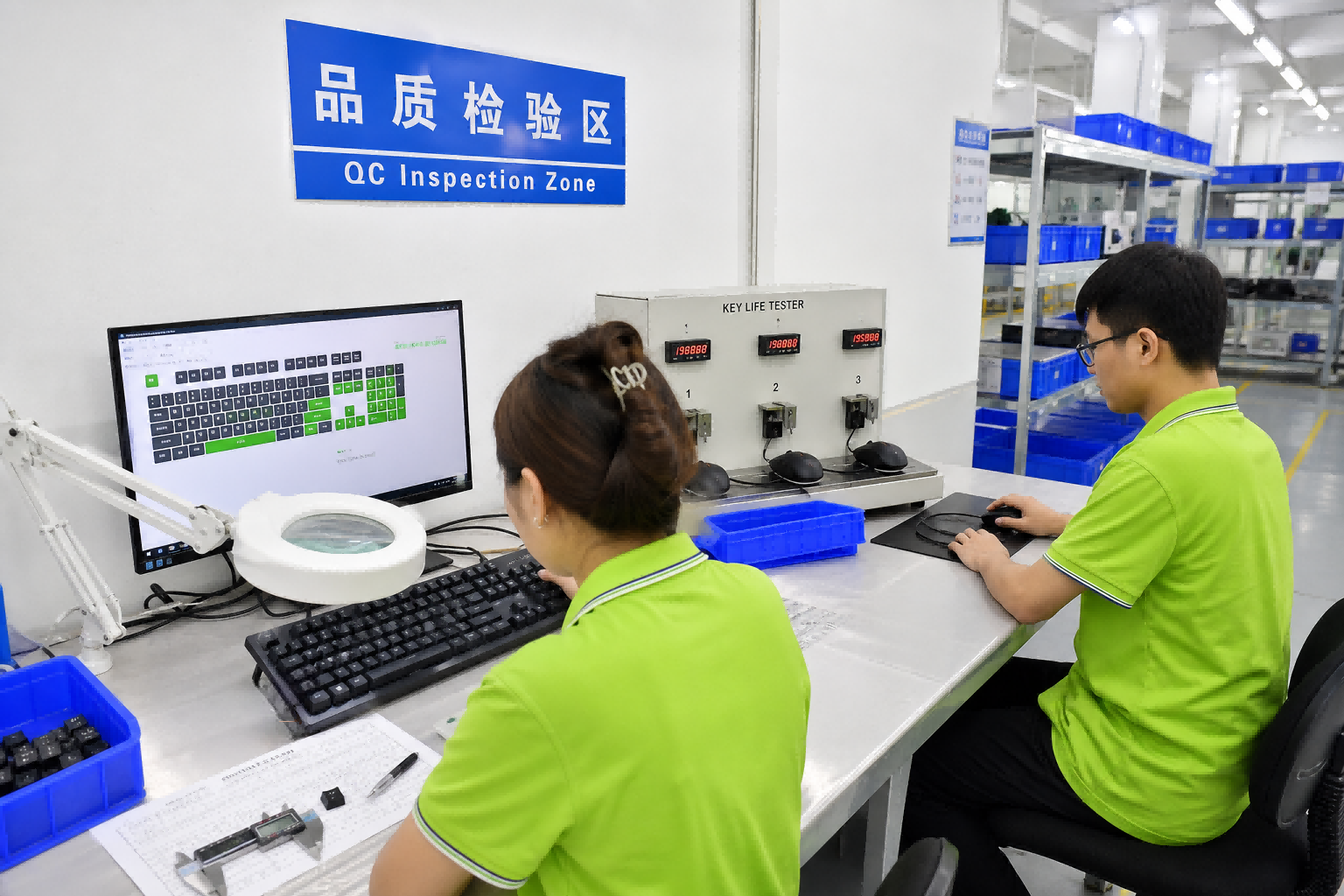
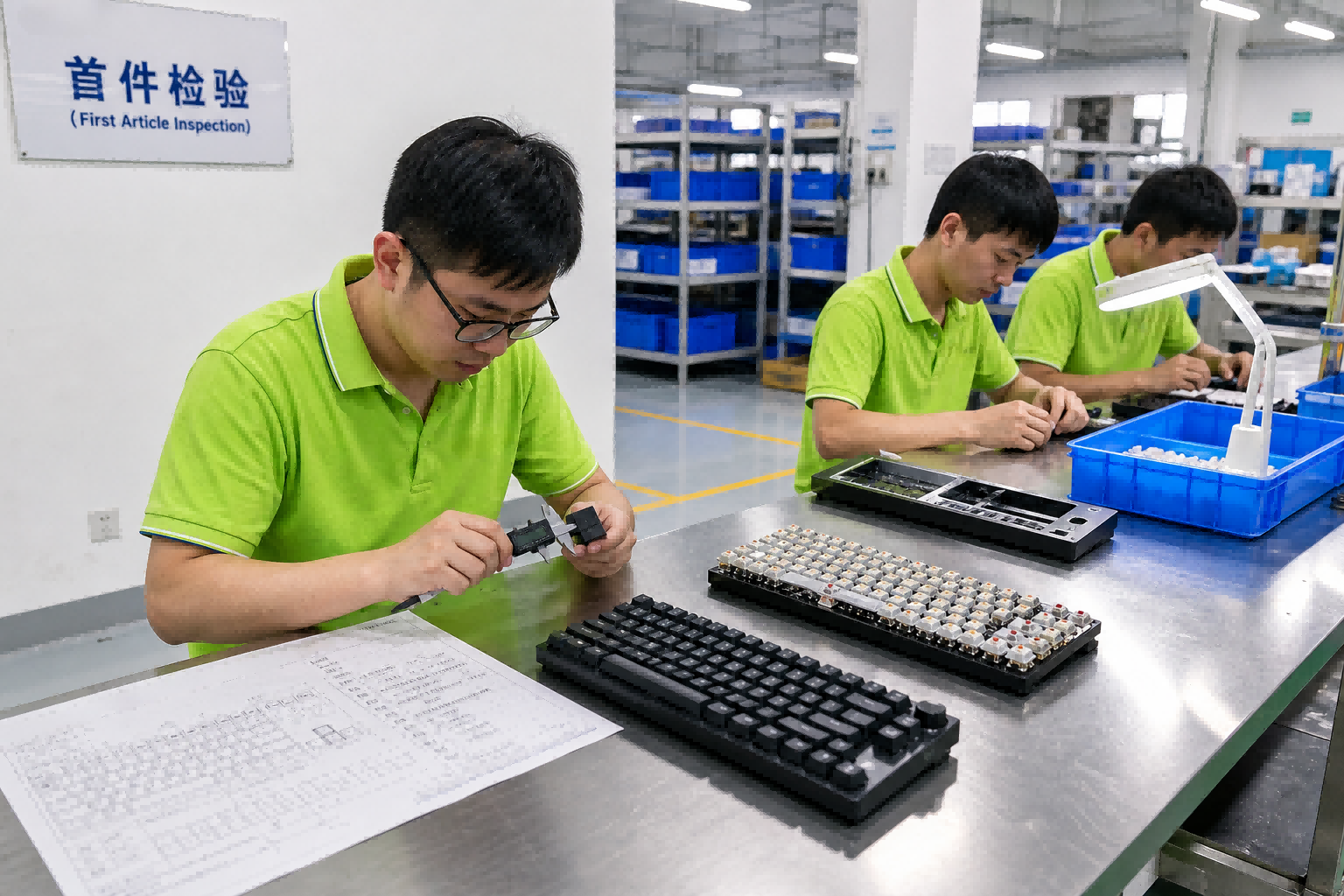
Request information about incoming material inspections, in-process checks, functional testing, final inspection, and defect-handling procedures.
Customization and project coordination
Confirm who will manage your project, how specifications and sample revisions will be documented, and how changes will be approved.
Production and delivery planning
Discuss material preparation, production scheduling, packaging readiness, and how progress updates will be communicated.
Commercial transparency
Clarify MOQ, tooling ownership, sample fees, payment terms, warranty arrangements, intellectual property responsibilities, and applicable compliance documentation before placing an order.
An experienced manufacturer should be willing to discuss these details openly and support important decisions with relevant documentation, samples, and a clearly defined workflow.

8. From Product Idea to Mass Production: A Structured Cooperation Process
For both OEM and ODM projects, a structured workflow helps buyers manage risk and maintain consistency.
Requirement review → Product selection or design evaluation → Quotation and feasibility assessment → Sample development → Sample approval → Production planning → Mass production and quality inspection → Packaging and shipment
Each stage should have clear deliverables and approval points.
Before mass production begins, both parties should confirm the final product specifications, approved sample, packaging artwork, quality criteria, order quantity, and delivery terms.
Changes made after approval should be documented and evaluated for their impact on cost, schedule, and product performance.
This process helps establish a shared understanding between the buyer and manufacturer and reduces the risk of avoidable discrepancies during production.
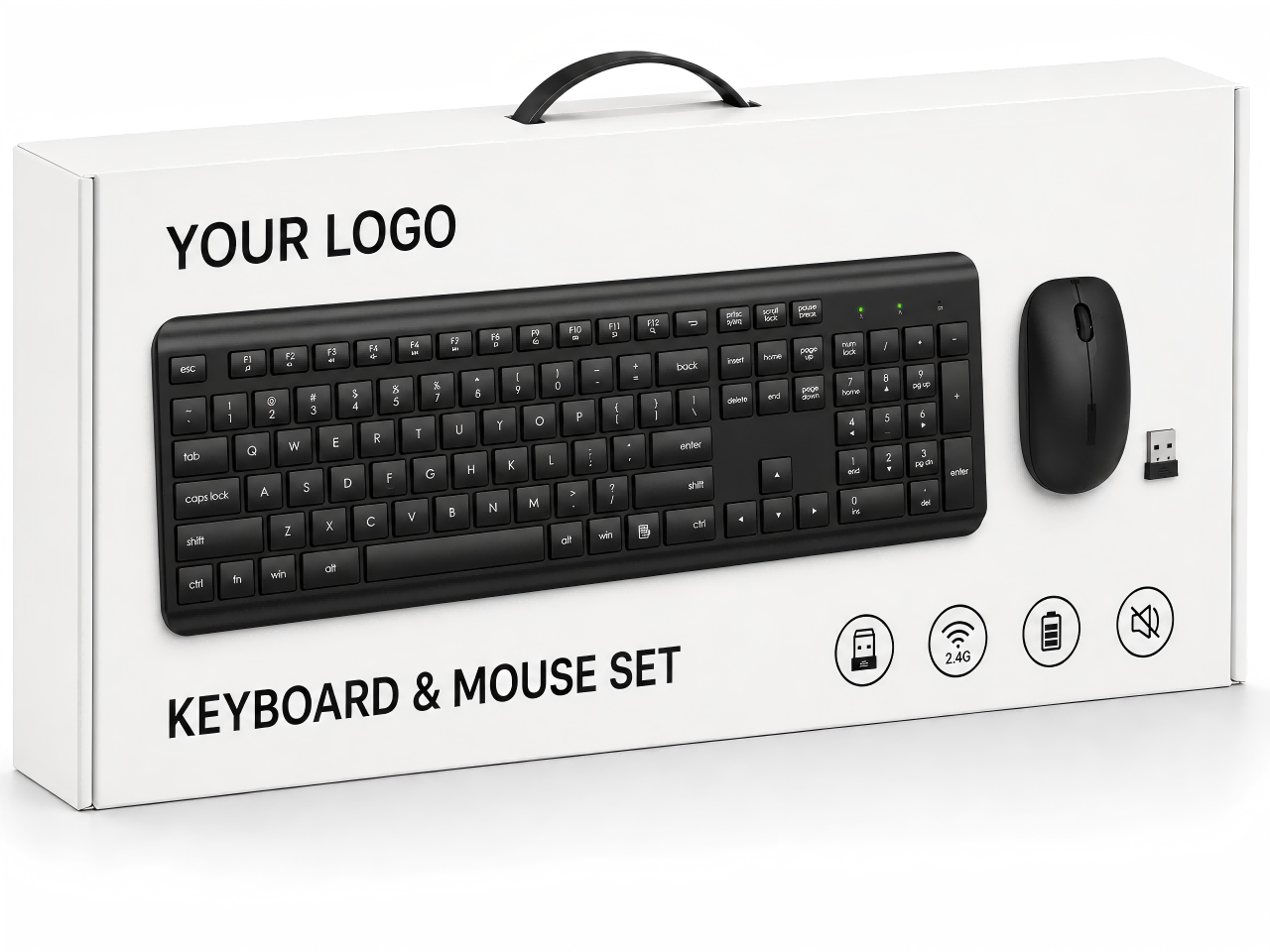
9. Build Your Brand with the Right Manufacturing Solution
OEM and ODM manufacturing offer different ways to develop a keyboard and mouse product line.
OEM may be the practical choice when you want to customize an established model with your branding, colors, and packaging. ODM may be more suitable when your business requires broader design support, additional engineering, or a more differentiated product concept.
Neither model is automatically better for every buyer. The right choice depends on your target market, product requirements, budget, order volume, and development expectations.
A capable manufacturing partner should help you evaluate these factors, explain technical and commercial trade-offs, and establish a clear path from product concept to approved sample and mass production.
Looking for a Keyboard and Mouse OEM/ODM Manufacturer?
Whether you are sourcing office peripherals, developing a private-label gaming mouse, or planning a customized keyboard and mouse combo, our team can help you evaluate suitable product options and customization possibilities.
Share your product requirements, target market, estimated order quantity, and branding preferences with us. We can review your project scope and discuss suitable product platforms, customization options, sampling requirements, MOQ, pricing, and estimated lead time.
Contact our team to discuss your OEM/ODM project and request a tailored quotation.
Let's turn your product requirements into a practical manufacturing plan for your brand.