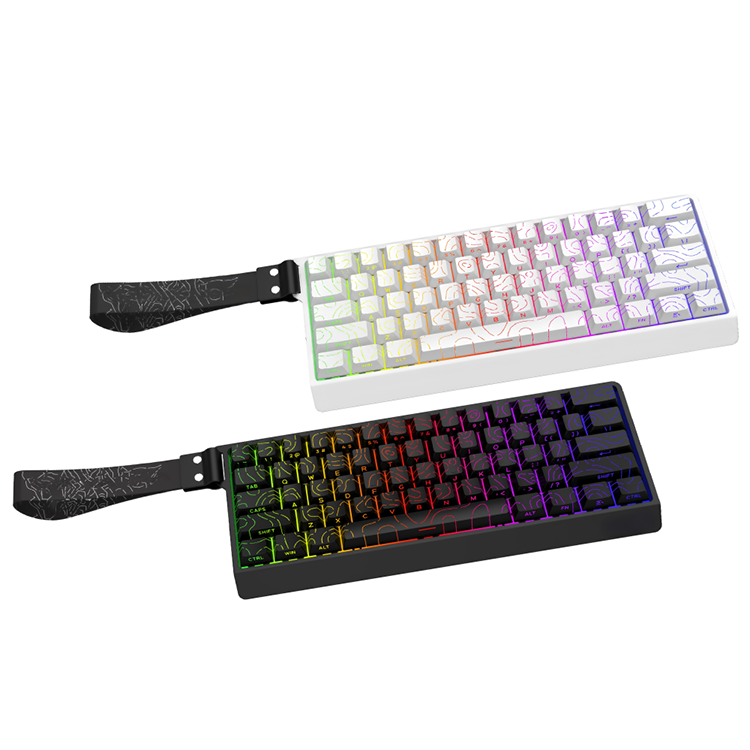
 Gaming Keyboard
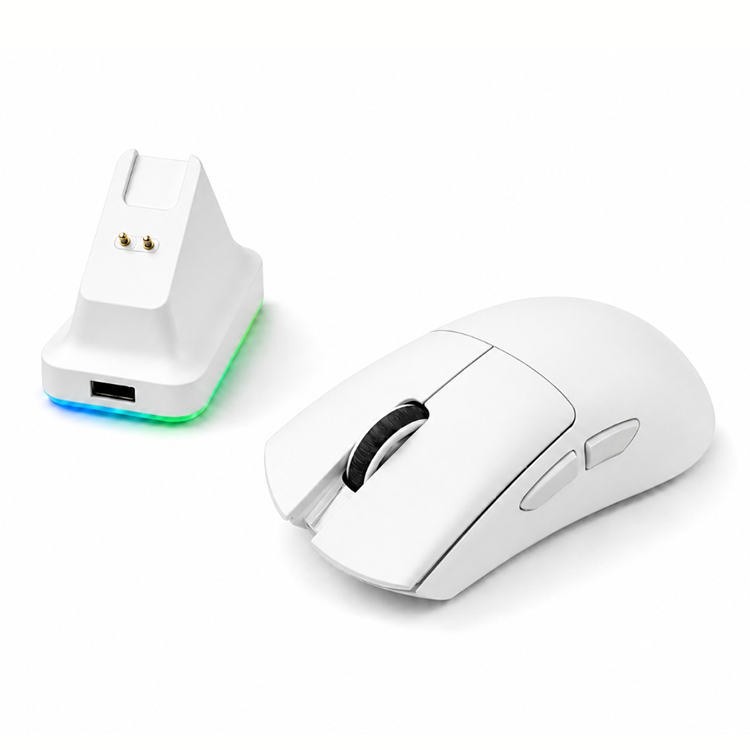 Gaming Mouse
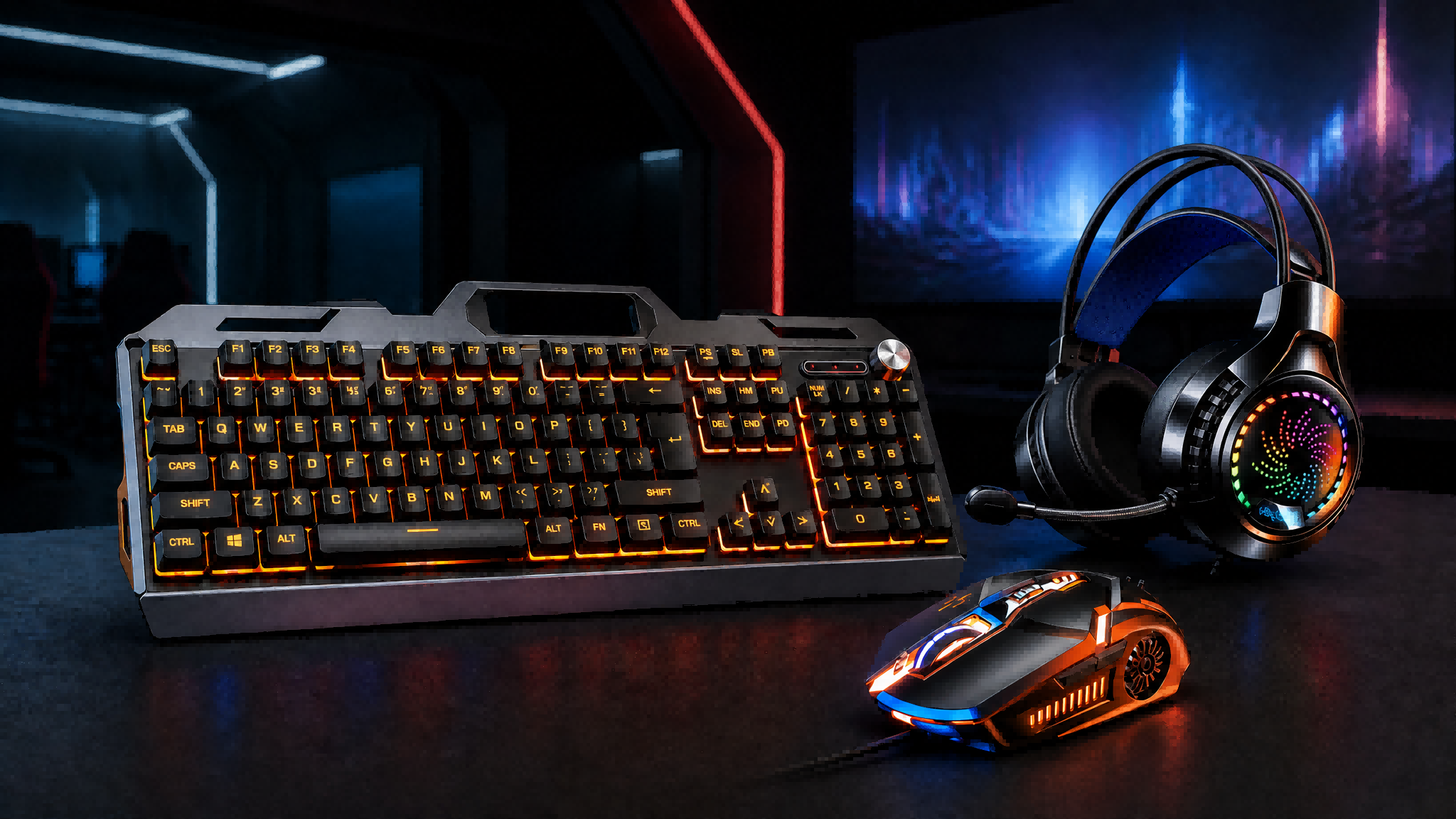
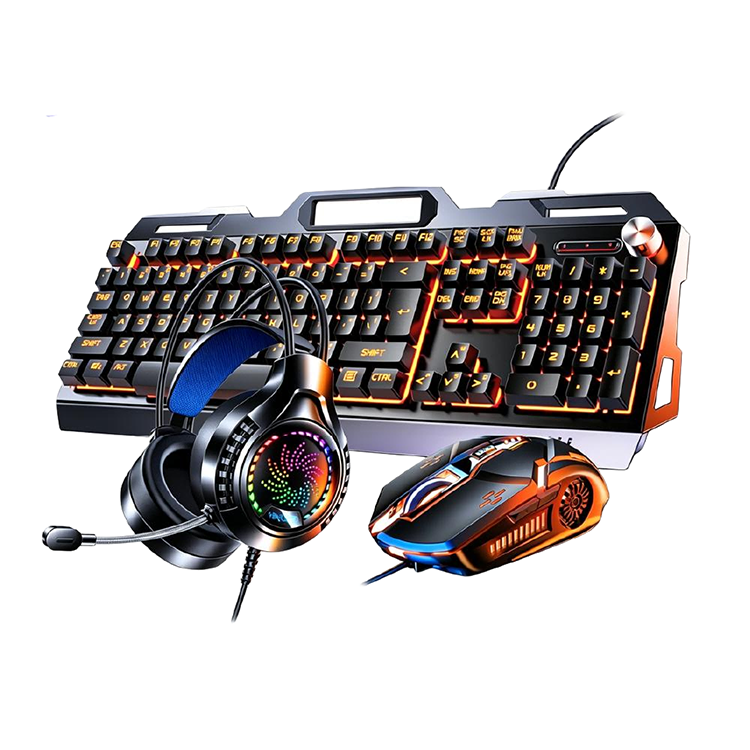 Gaming Keyboard And Mouse Combo
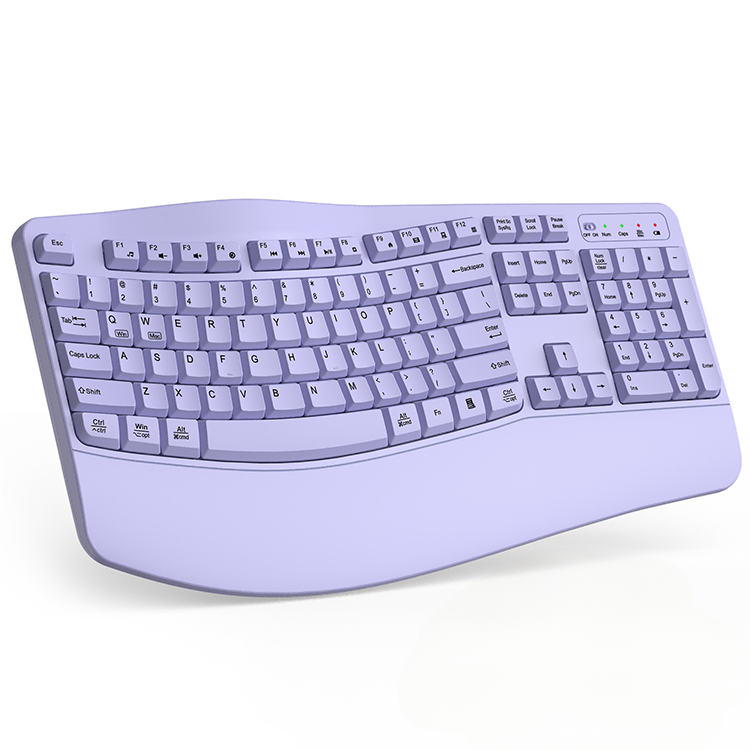 Office Keyboard
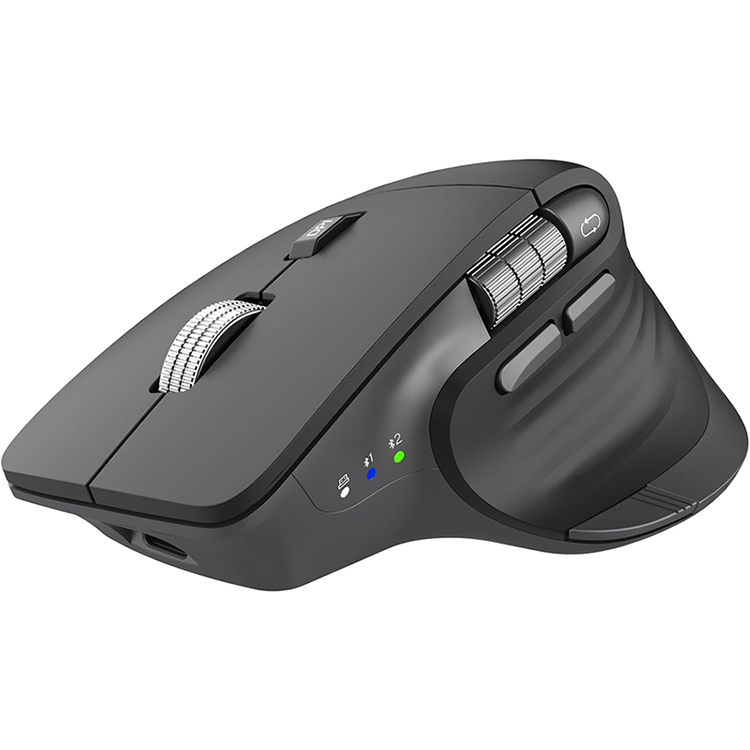 Office Mouse
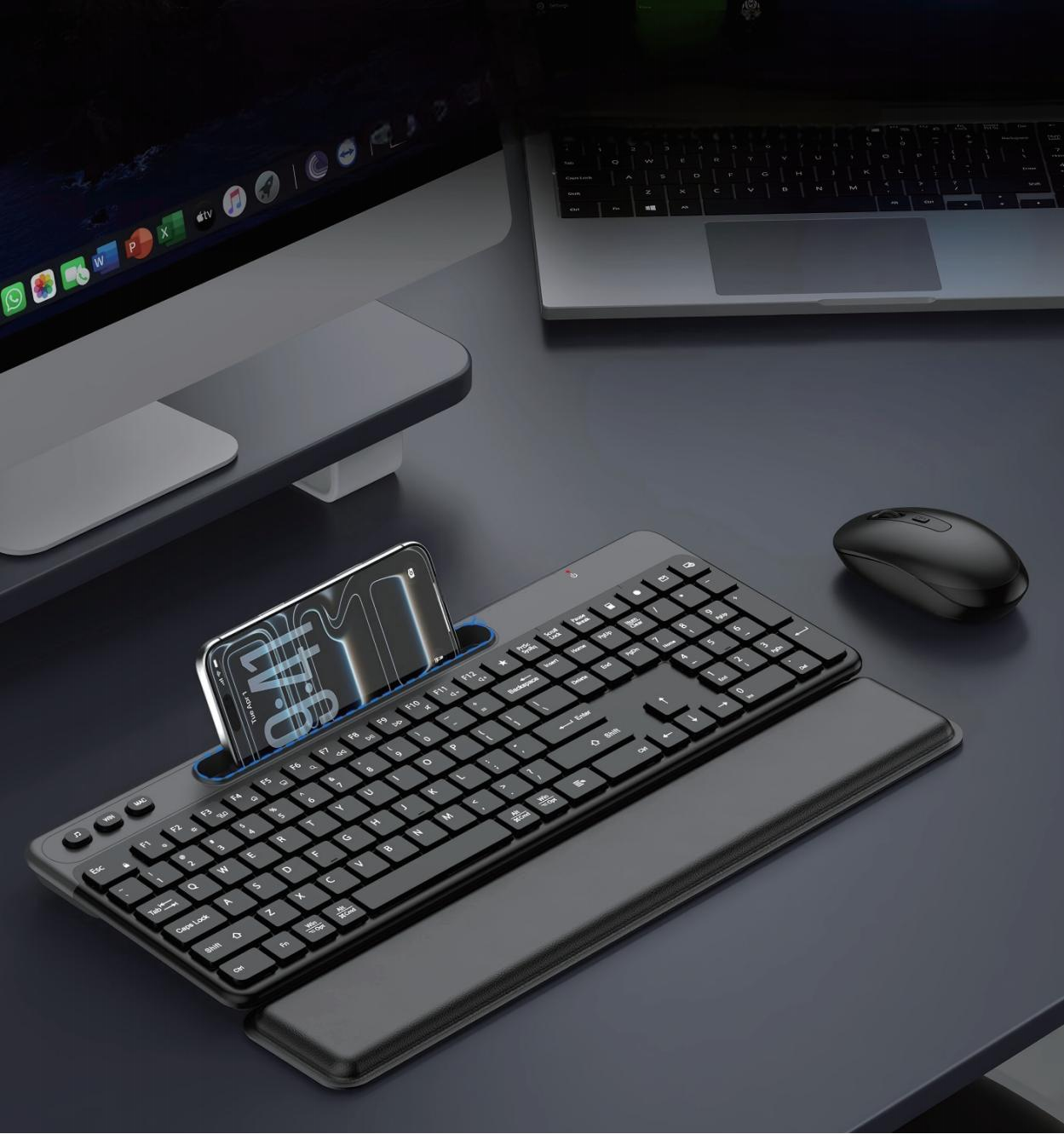
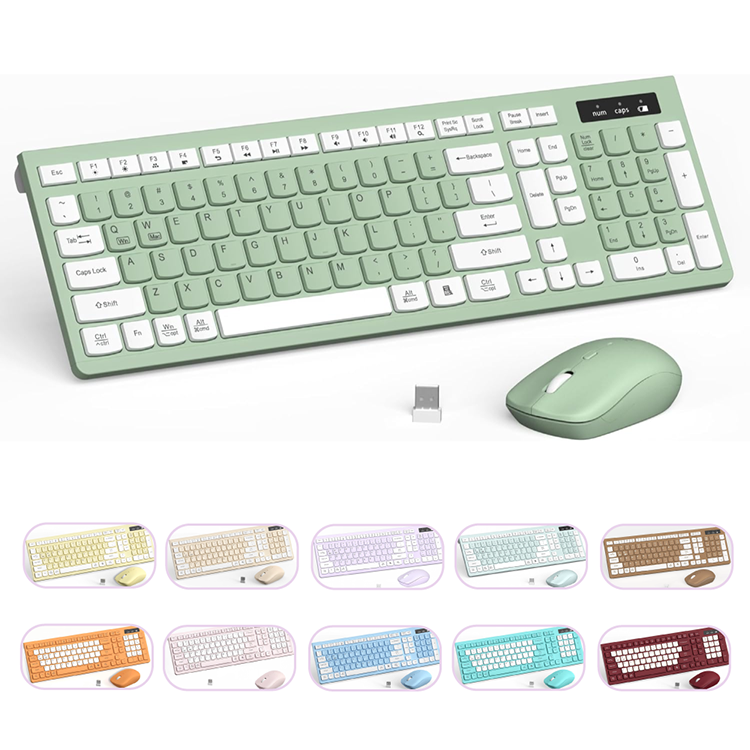 Office Keyboard And Mouse Combo


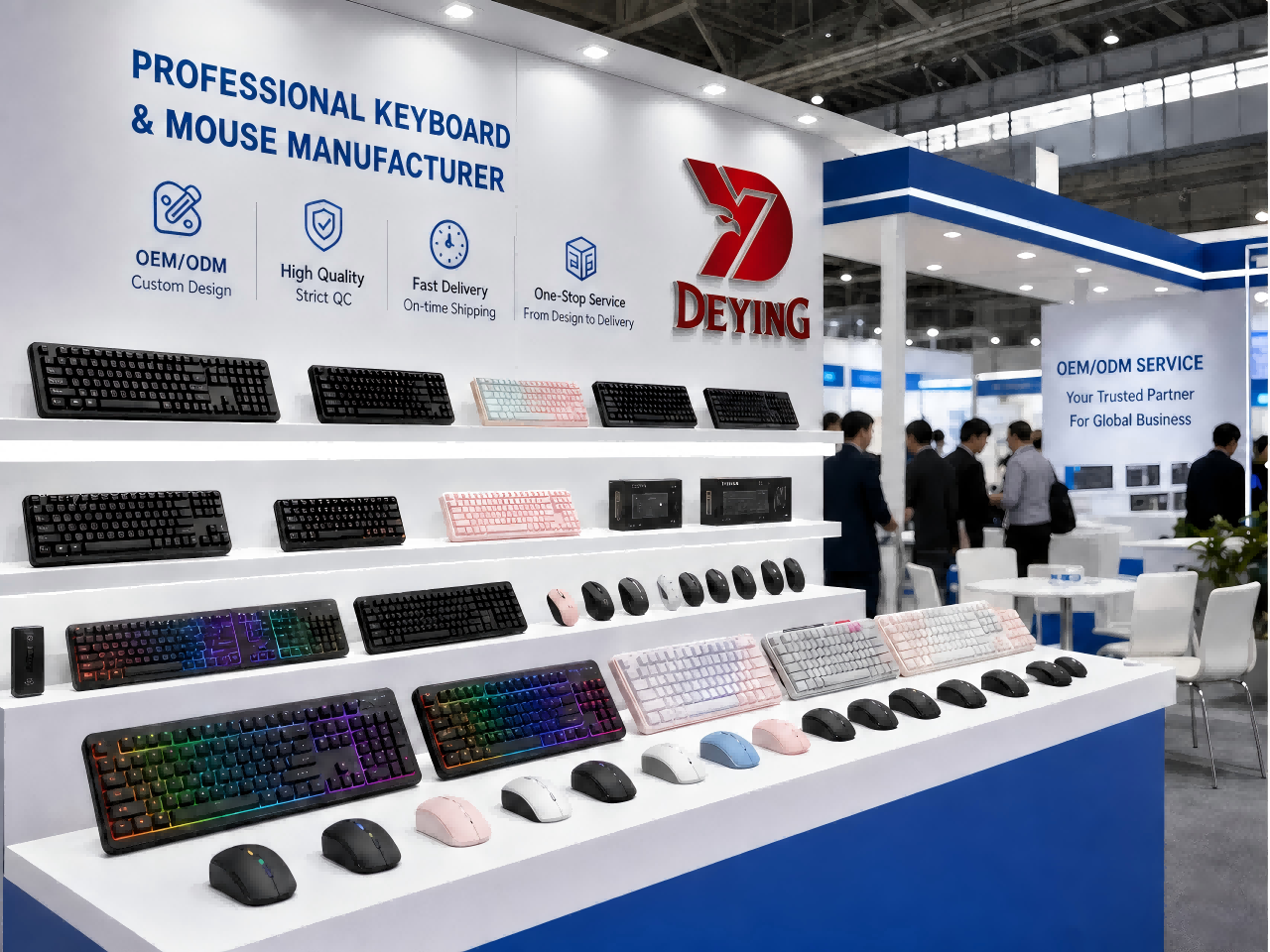
What Does Custom Keyboard and Mouse Manufacturing Cost? Development Fees, Samples and Lead Times Explained
一、What Is Included in the Manufacturing Cost?
A custom Keyboard or mouse quotation may include the following cost groups:
- Product and engineering development
- Tooling, molds and production fixtures
- Prototype and sample preparation
- Electronic and mechanical components
- Surface finishing, colors and branding
- Retail packaging and accessories
- Testing, inspection and market-specific compliance support
- Mass-production setup, assembly and labor
- Quality control, packing and logistics preparation
Not every project requires every charge. The purpose of an early technical review is to separate essential investments from optional customization, helping the buyer control both risk and total project cost.
二、Product Platform: The First Decision Affecting Cost and Speed
Customizing a proven existing platform is usually the fastest and most economical route. Buyers can select a keyboard, mouse or combo that already meets the main functional requirements, then customize elements such as:
- Logo and brand identification
- Housing or keycap color
- Surface finish and decorative treatment
- Keyboard layout and legends, subject to platform support
- Retail packaging, manuals and labels
- Cable, receiver or accessory configuration
- Private-label presentation
This route reduces new engineering work and normally shortens sampling and production preparation.
A full ODM project is different. If the buyer needs a new housing, special ergonomic form, unique key arrangement, proprietary structural design, revised PCB, firmware functions or a new component combination, the project may require industrial design, mechanical engineering, electronic development, prototyping, mold development and additional validation.
The further a design moves away from an established platform, the more development investment and validation time it normally requires.
三、What Do Development Fees Cover?
Development fees cover the engineering work required to turn a product concept into a manufacturable and testable specification. Depending on the project, this may include:
- Requirement analysis and feasibility review
- Industrial design and appearance refinement
- 3D structure and mechanical engineering
- PCB layout and electronic design
- Firmware or functional configuration
- Component selection and bill-of-material review
- Design for manufacturing and assembly
- Prototype preparation and engineering verification
- Packaging structure and artwork adaptation
- Test planning and production documentation
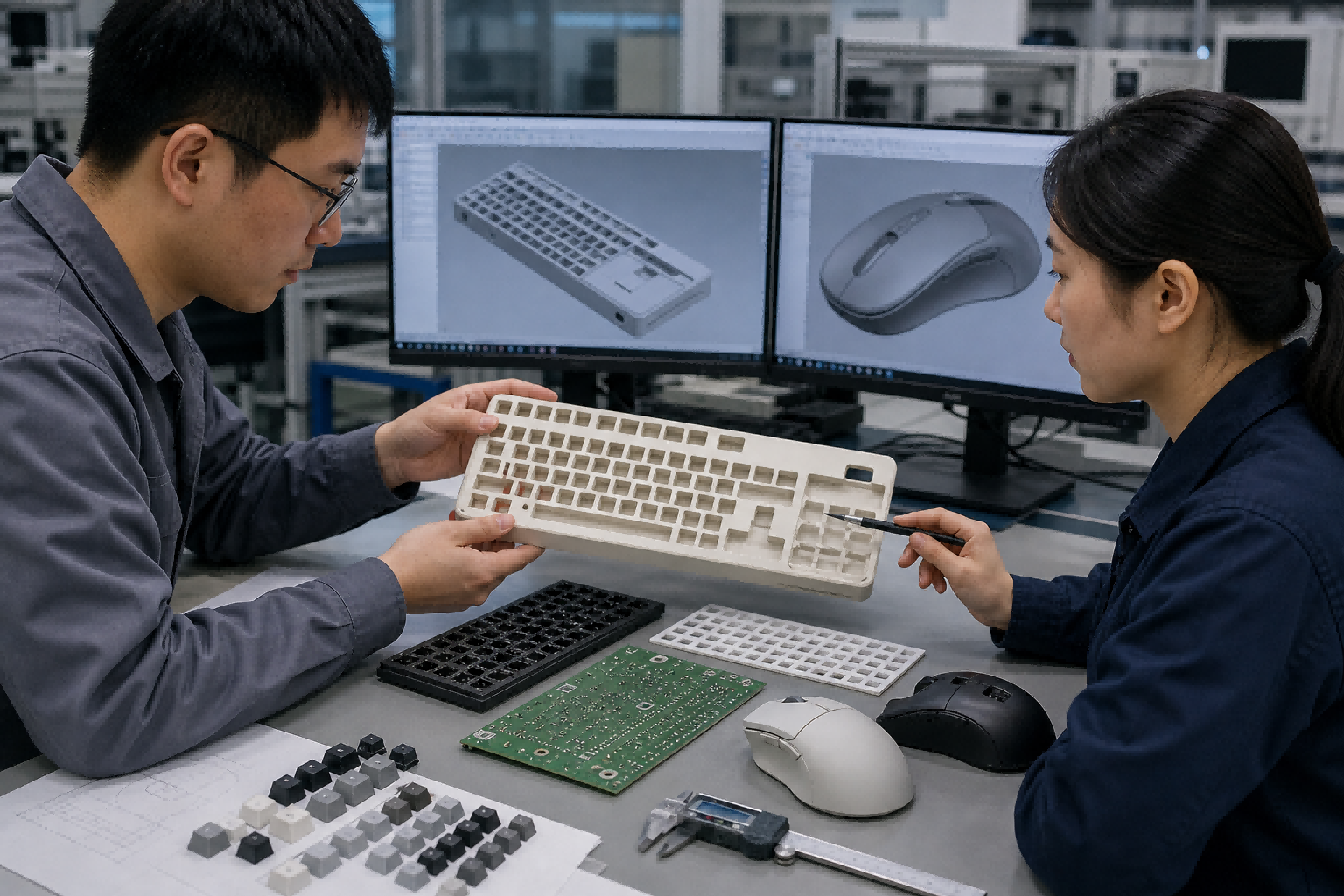
Development fees are often one-time non-recurring engineering costs, rather than a repeating charge for every unit. However, their treatment depends on the agreed scope and commercial terms. Buyers should ask the manufacturer to identify which deliverables are included, how many revision rounds are covered, whether tooling is separate and what happens if the specification changes after approval.
At Deying, our R&D and engineering teams review both product performance and manufacturability. An attractive concept is not enough: the design must also support stable molding, efficient assembly, consistent quality and repeatable production at commercial scale.
四、Tooling, Molds and Production Fixtures
New mechanical structures may require dedicated injection molds. A tooling budget can be affected by:
- Number and size of molded parts
- Housing complexity and wall structure
- Surface texture and finishing requirements
- Keycap or button configuration
- Mold material and intended production life
- Number of cavities and production-efficiency targets
- Required production and inspection fixtures
- Design changes after tooling begins
Tooling is not simply a charge for making a metal mold. It is an investment in the repeatability of future production. A properly reviewed mold helps control dimensions, surface appearance, assembly fit and output stability.
Deying operates more than 15 intelligent injection molding machines and integrates molding capability with engineering, assembly and quality-control processes. This helps our team coordinate product structure with mass-production requirements rather than treating mold development as an isolated step.
五、What Do Sample Fees Include?
Samples are a critical risk-control stage. A sample fee may cover the product itself plus the extra engineering, setup, customization and low-volume handling required to produce it. Depending on the project, sample costs can include:
- Existing-model evaluation samples
- Logo printing or laser marking
- Custom colors or surface treatment
- Keycap legends or layout preparation
- Packaging mockups
- Prototype housing or 3D-printed parts
- PCB or firmware engineering samples
- Testing and technical evaluation
- International courier delivery, if agreed
The sample stage should answer these practical questions before mass production:
- Does the product feel and perform as expected?
- Are the colors, logo position and finish acceptable?
- Does the layout match the target market?
- Are packaging contents and labels correct?
- Are critical dimensions and assembly details confirmed?
- Is the approved sample suitable to become the production reference?
For a straightforward private-label project, sample preparation is generally simpler. A new ODM structure may require several engineering iterations before the final approval sample is ready. Buyers should therefore avoid comparing sample charges without comparing the work included.
六、What Determines the Mass-Production Unit Price?
Once development requirements are clear, the mass-production unit price is mainly influenced by the bill of materials, manufacturing process, quality standard and volume.
Keyboard Cost Drivers
- Membrane, mechanical or other switch architecture
- Wired, wireless or multi-mode connectivity
- PCB, controller and wireless components
- Battery and charging configuration
- Keycap material, legends and finishing
- Backlighting or lighting effects
- Housing material and structural design
- Cable, receiver and included accessories
- Supported layout and language versions
Mouse Cost Drivers
- Sensor and controller selection
- Wired, wireless or multi-mode design
- Button, switch and scroll-wheel configuration
- Built-in or replaceable-battery solution
- Housing material, coating and decorative process
- Ergonomic structure and part count
- Lighting and software-related requirements
- Receiver, cable and packaging accessories
Commercial Cost Drivers
- Order volume and purchasing scale
- Number of colors or regional versions
- Packaging complexity
- Inspection and testing requirements
- Compliance documentation requested for the destination market
- Delivery terms and shipping arrangement
A lower unit price does not automatically mean a lower total project cost. If a quotation excludes tooling, validation, packaging details, quality requirements or necessary compliance preparation, the buyer may face unexpected charges or delays later. A transparent quotation protects both sides.
七、How Long Does a Custom Project Take?
Lead time should be calculated from the confirmed project scope, not simply from the first inquiry date. A custom project typically moves through the following stages:
Stage 1: Requirement Confirmation
The manufacturer reviews the target market, product type, functions, expected order volume, branding, packaging and compliance needs. Clear inputs at this stage reduce quotation revisions.
Stage 2: Engineering Evaluation and Quotation
The team checks platform suitability, design feasibility, component availability, tooling needs and production risks, then defines the technical and commercial scope.
Stage 3: Sample or Prototype Development
An existing model with simple branding can move faster. A new structure, electronics package or firmware function requires more engineering and verification.
Stage 4: Buyer Evaluation and Approval
The buyer reviews appearance, functions, layout, packaging and other agreed requirements. Consolidated feedback is more efficient than fragmented design changes.
Stage 5: Pilot or Pre-Production Verification
Where appropriate, the factory verifies materials, process settings, assembly sequence, testing methods and packaging before full production.
Stage 6: Mass Production, Inspection and Shipment Preparation
The production schedule depends on the confirmed order, material readiness, factory planning, inspection scope and packaging approval.
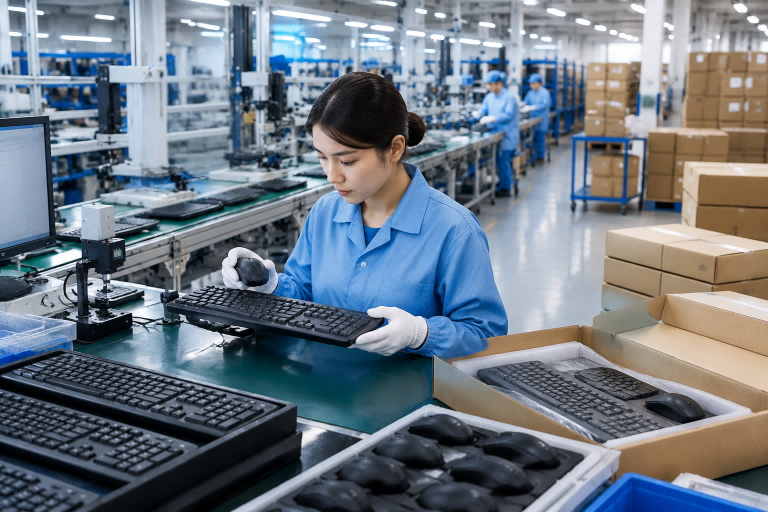
Instead of promising one universal timeline, a responsible manufacturer provides a milestone-based schedule after reviewing the project. New tooling, design revisions, custom components, special finishes, multiple market versions, compliance testing, packaging approval and material availability can all affect the final lead time.
八、How Can Buyers Reduce Cost and Shorten Lead Time?
A well-prepared request helps the factory respond faster and quote more accurately. Buyers should provide:
- Product category and intended use
- Target market and sales channel
- Required functions and connectivity
- Reference product, drawing or concept image
- Required keyboard layout and language
- Logo files and brand-color references
- Packaging requirements
- Expected order quantity and forecast
- Required compliance or test standards
- Target launch or delivery date
Buyers can also reduce risk by following five practical principles:
- Start with an existing platform when speed and budget are priorities.
- Separate must-have functions from optional ideas.
- Freeze key specifications before tooling or final sampling.
- Approve a clear reference sample and packaging specification.
- Discuss forecast volume early so production can be scaled appropriately.
九、Why Manufacturing Capacity Matters
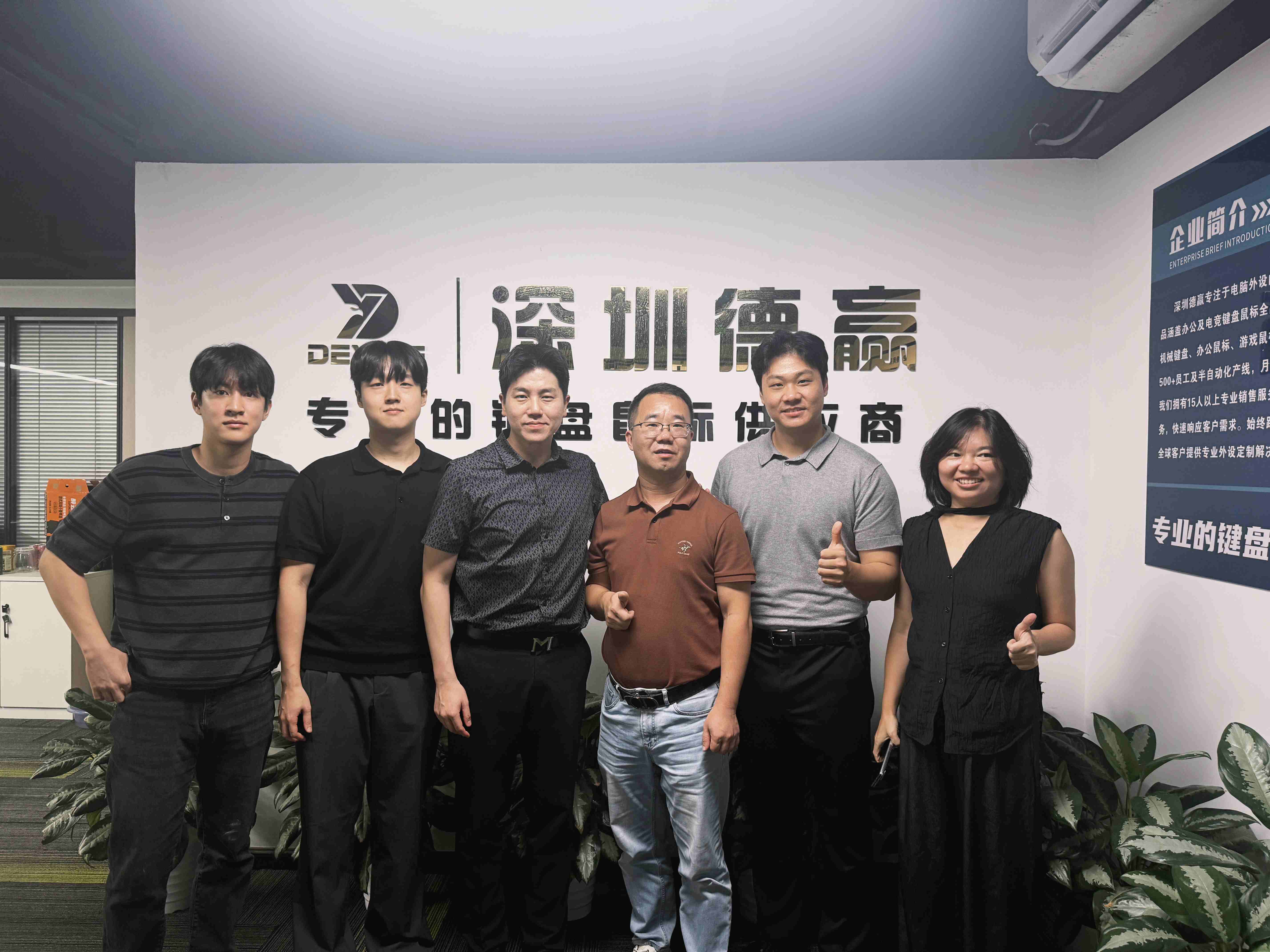
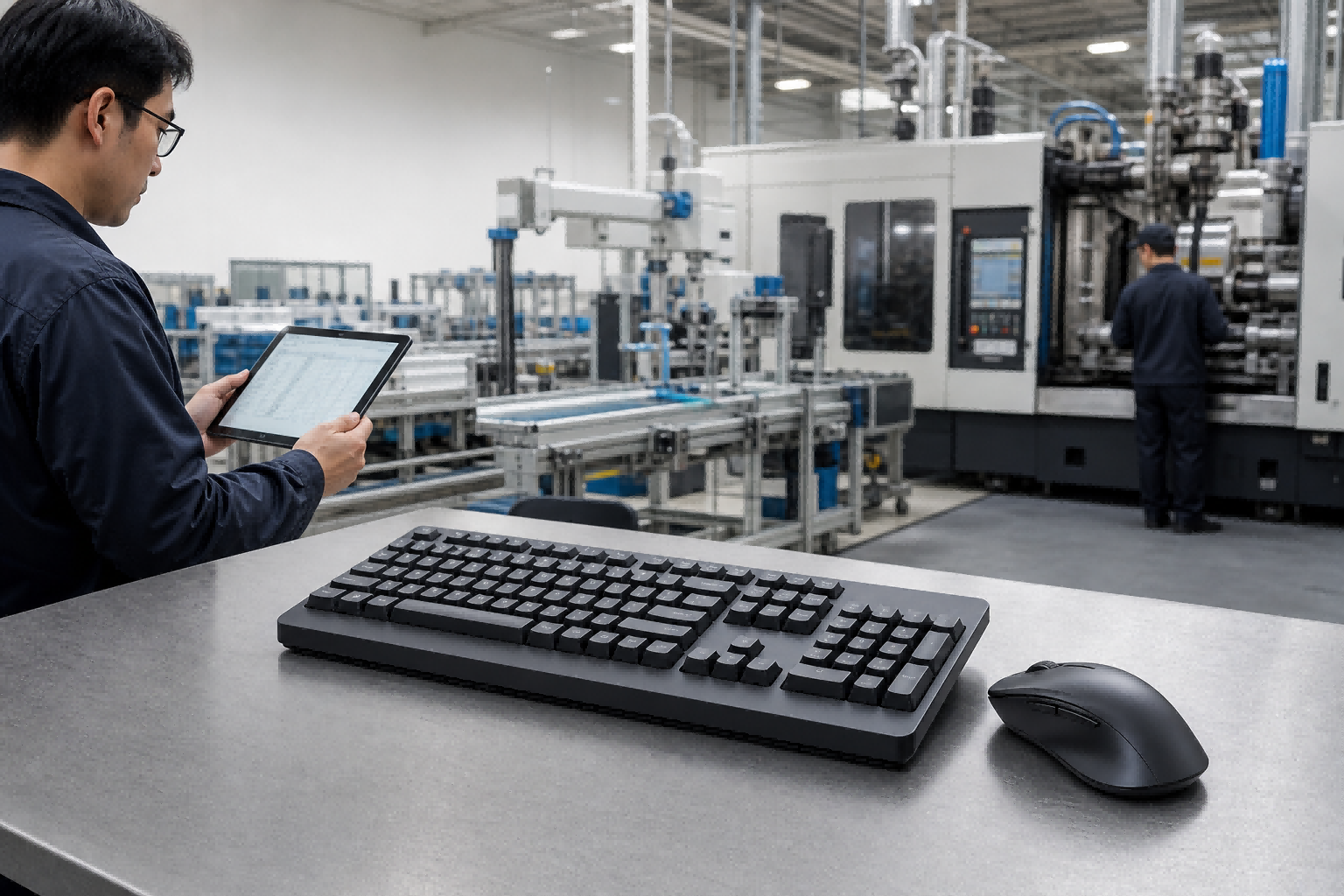
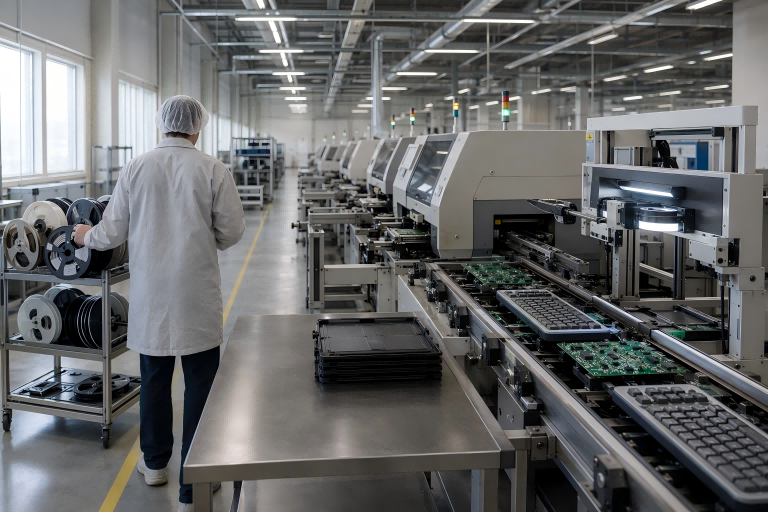
Customization is valuable only when the factory can reproduce the approved result consistently. Deying's manufacturing base covers 12,000 square meters, employs more than 500 people and includes 10 fully automated production lines and more than 15 intelligent injection molding machines. Our stated monthly production capacity exceeds 950,000 sets.
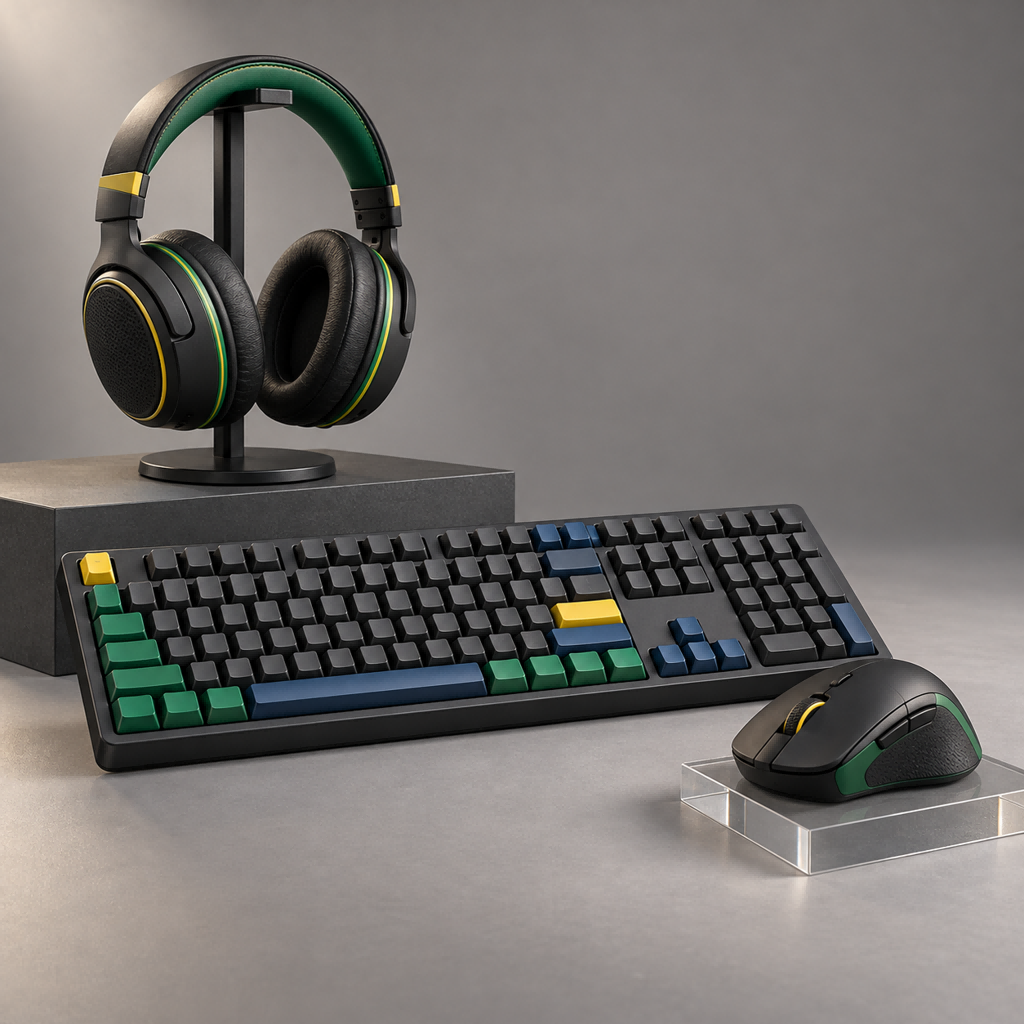
Our product portfolio includes wireless keyboards, mechanical keyboards, gaming keyboards, office keyboards, ergonomic keyboards, mice, gaming mice, keyboard and mouse combos, headsets and other computer accessories. This category experience enables our teams to evaluate projects from engineering, production, quality and commercial perspectives.
We follow an ISO 9001:2008-certified quality-management system and focus on consistency from approved sample to production shipment. Product design, logo application, packaging, private-label production, assembly, inspection and shipment preparation can be coordinated within one OEM and ODM service system.
For distributors, retailers and e-commerce sellers, this integrated approach offers three important advantages:
- Clearer accountability: Engineering, production and quality teams work within one manufacturing system.
- More scalable delivery: Production resources can support both established products and customized programs.
- Faster communication: Buyers receive coordinated responses instead of managing disconnected suppliers.
十、 What Should a Professional Quotation Make Clear?
Before placing an order, buyers should be able to identify:
- Product specification and included accessories
- Unit-price basis and quantity tier
- Development or engineering charges
- Tooling and fixture charges
- Sample scope and revision conditions
- Branding and packaging costs
- Testing or compliance-related scope
- Payment and delivery terms
- Sample and production milestones
- Buyer and manufacturer responsibilities
- Validity period and exclusions
This level of detail builds trust because it makes the project measurable. It also helps buyers compare quotations on the same basis instead of choosing a headline price that may not include the same work.
Plan Your Custom Keyboard or Mouse Project with Deying
Every successful OEM or ODM program starts with a clear discussion. Whether you need an established model with private-label packaging, a customized keyboard and mouse combo, or a new product developed around your market opportunity, Deying can evaluate the project and provide a structured proposal.
To receive a more accurate quotation and schedule, send us your target market, required functions, customization list, expected order quantity, packaging needs and desired delivery date. Our team will review the requirements and explain the recommended manufacturing route, likely one-time development items, sample plan and production milestones.
Looking for a reliable keyboard and mouse manufacturer? Contact Shenzhen Deying to discuss your OEM or ODM project and turn your product concept into a production-ready solution.